How Tennessee Businesses Can Improve Recycling With a Waste Audit
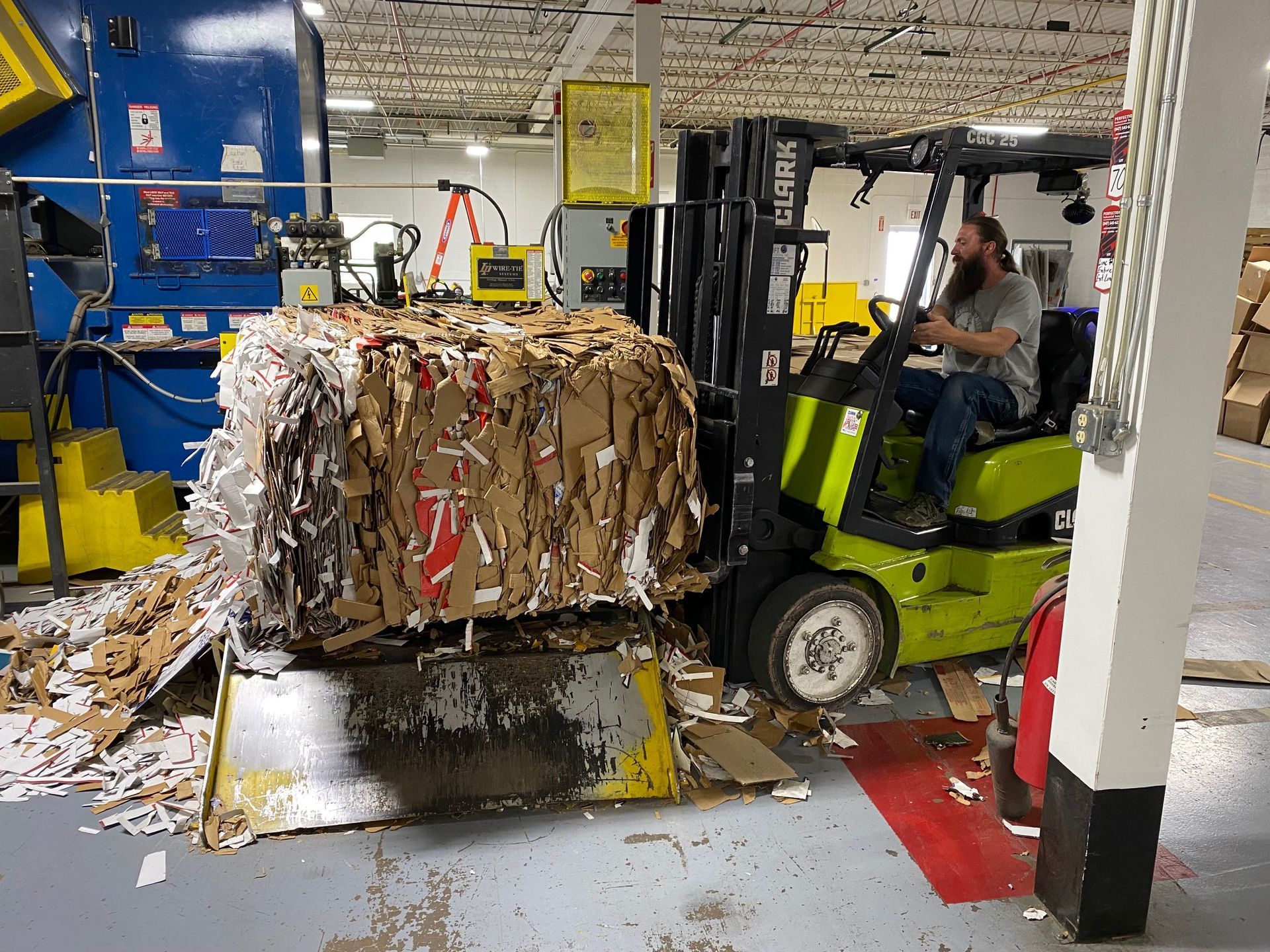
A recycling program can run on schedule and still leave money on the table. Cardboard gets collected. Paper scrap gets baled. Waste containers get emptied. Yet the routine can conceal recoverable materials being discarded, valuable grades being mixed together or transportation costs taking an unnecessary bite out of recycling revenue.
For Tennessee manufacturers, warehouses, distribution centers and printing operations, a commercial waste audit offers a closer look at those overlooked costs. It examines what a facility generates, how employees handle it and what happens when it leaves the property.
The purpose is practical: identify changes that can help reduce disposal expenses, improve material recovery and strengthen the financial performance of a recycling program.
What Does a Commercial Waste Audit Examine?
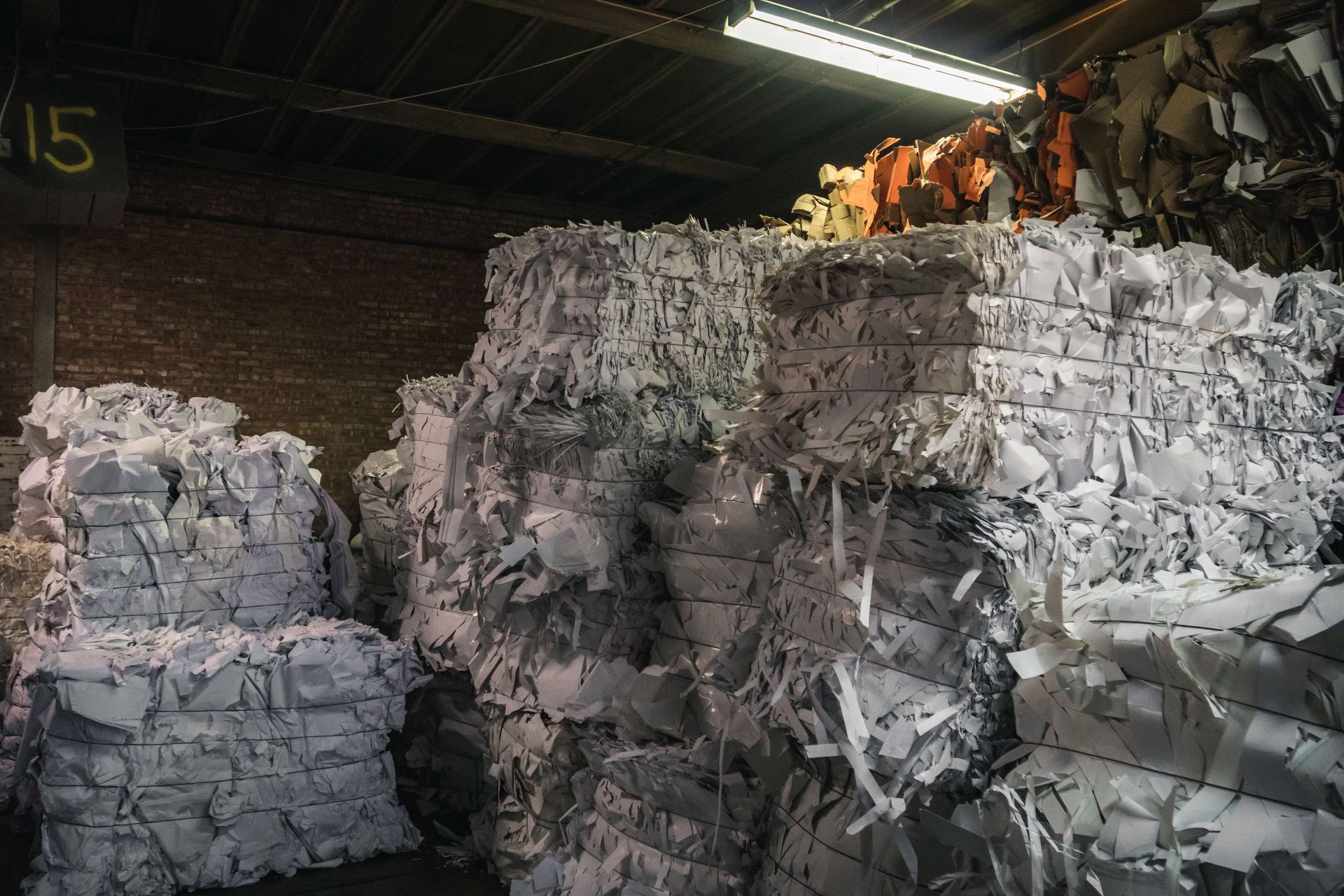
A waste audit starts with the materials moving through a business. For many commercial operations, that includes corrugated boxes, paper packaging, production scrap and other potentially recoverable materials.
But identifying those materials is only the beginning. A useful assessment follows their path through the facility. Where are they generated? How are they separated? Are collection points convenient for employees? What gets mixed into the recycling stream? How are materials stored, baled and prepared for shipping?
Those details help explain why a program performs the way it does. Clean cardboard may lose value if it gets wet during storage. Paper grades with different market values may be combined because separate collection was never established. Recyclable packaging may enter a waste container simply because it is closer to the work area.
A commercial waste audit connects these everyday practices with their operational and financial consequences.
Paper and Cardboard May Be Worth a Closer Look
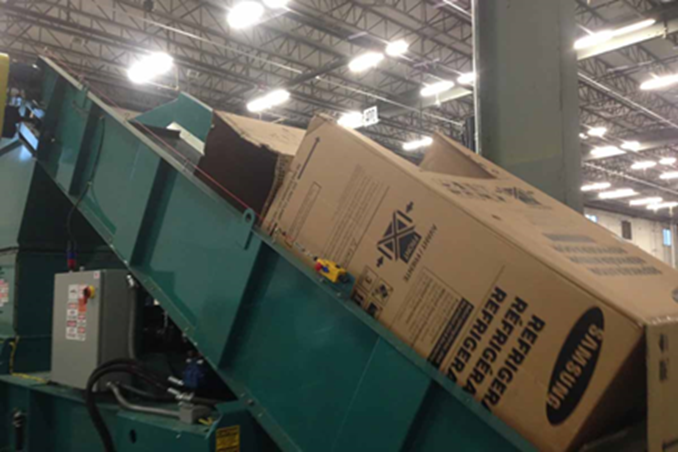
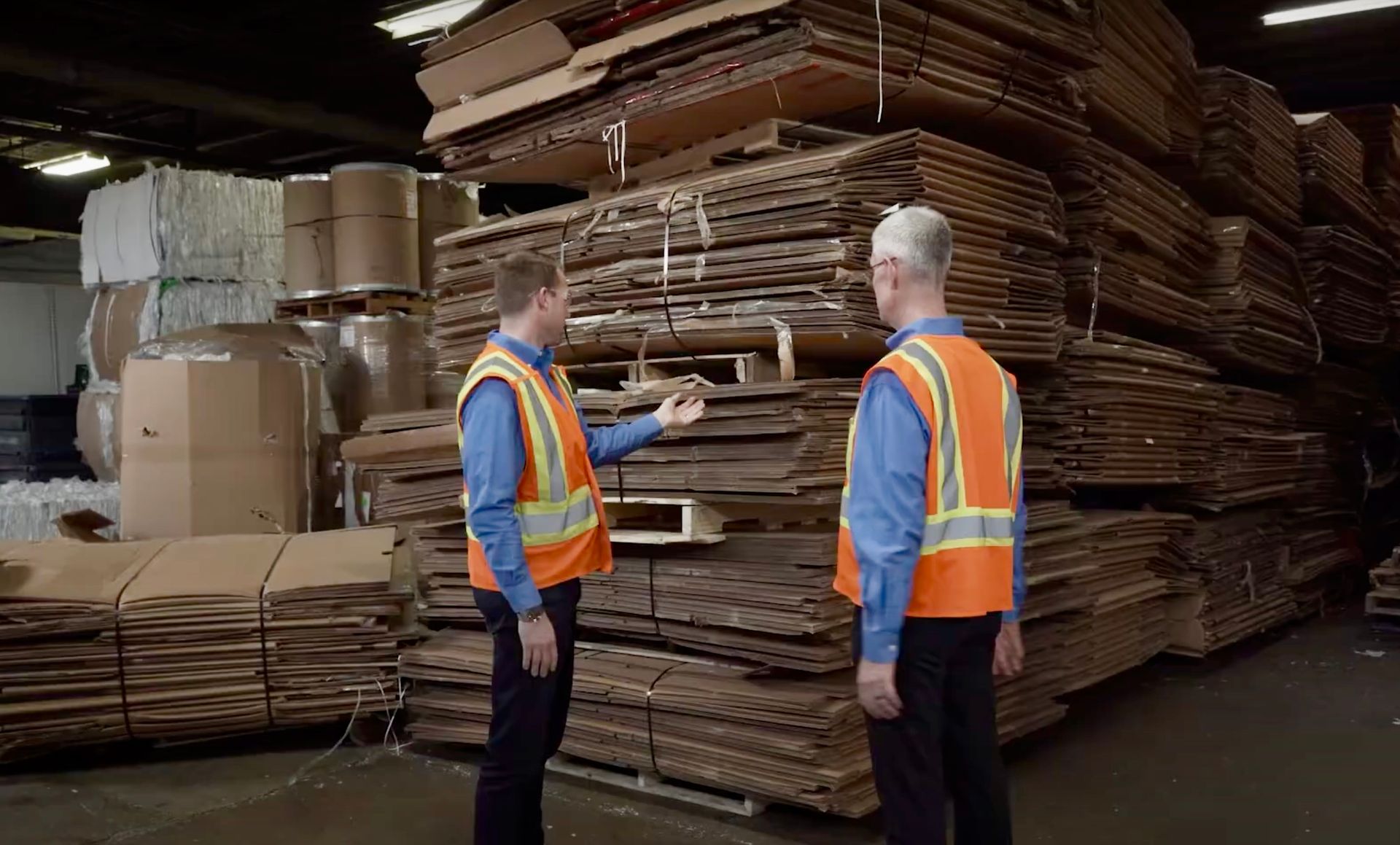
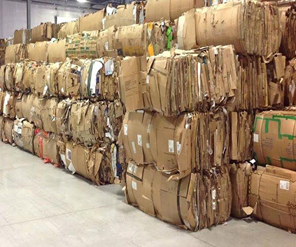
Cardboard is easy to recognize, but its visibility does not guarantee that a business is capturing its full value. An operation may recycle most of its corrugated boxes while overlooking cardboard generated in another department or during a different shift.
Paper can present a similar challenge. A printer or manufacturer may generate several grades of fiber, each with different buyer requirements. Combining those grades can limit market options or reduce the value of the overall stream.
Consider a facility where clean paper trim is collected with mixed paper and general packaging. The material is being recycled, but an audit may reveal that separating the trim would make it suitable for a different market. Whether that change makes financial sense depends on volume, space, additional handling and available buyers.
The objective is to identify where better separation can produce enough value to justify the effort.
The Biggest Opportunity May Be in Handling and Freight
Commodity prices receive plenty of attention. They are only one part of what a business ultimately earns.
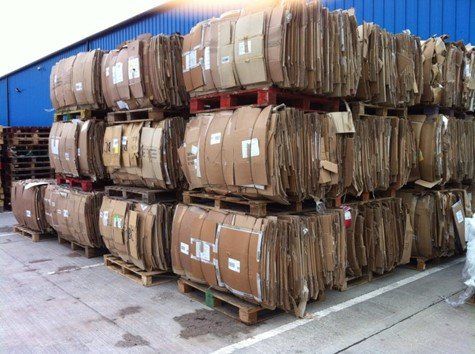
Bale quality, load weights, pickup frequency and freight expense also influence recycling economics. A shipment can carry a competitive price per ton and still deliver a disappointing net return if transportation and handling consume too much of its value.
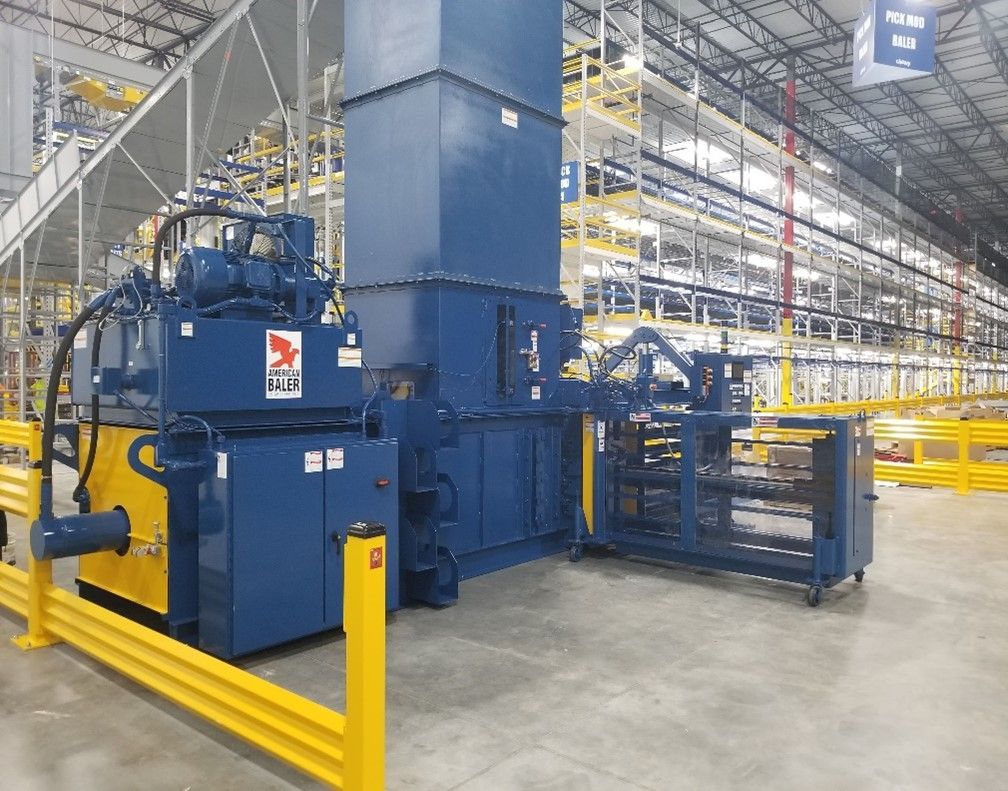
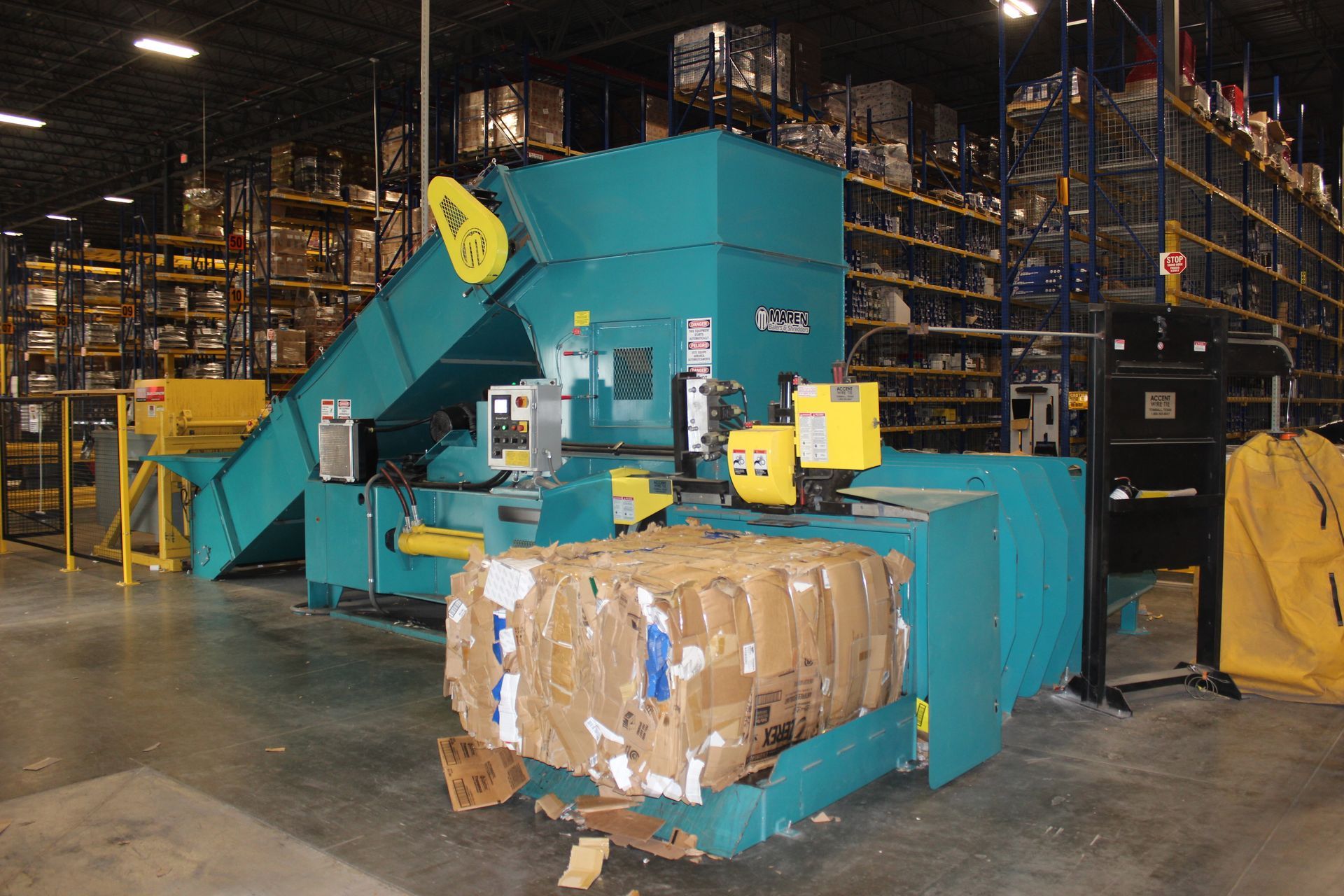
An audit can help identify the reasons. Is the baler producing consistent bales? Are trailers leaving with less material than they could reasonably carry? Does the pickup schedule reflect current production, or an arrangement established years ago?
For businesses generating sufficient quantities of properly prepared material, mill-direct shipments may offer another option. Moving a full load directly to an appropriate mill can reduce intermediate handling when buyer specifications and freight economics support the arrangement.
For other facilities, consolidation may be more practical. The right answer depends on the complete cost of moving material to market.
When Should a Tennessee Business Consider a Waste Audit?
A change in operations is a useful reason to review a recycling program. A new product line, a different packaging supplier, higher shipment volumes or an additional facility can alter both the quantity and composition of the material being generated.
Rising disposal expenses, recurring contamination problems or crowded storage areas can also signal that the existing system needs attention.
An audit can be worthwhile even when nothing appears wrong. Programs often continue under familiar arrangements while production practices, material markets and transportation requirements evolve around them.
Whether a business operates in Memphis, Nashville, Chattanooga, Knoxville or elsewhere in Tennessee, the central question is the same: does the recycling program still fit the operation?
Turn Audit Findings Into Practical Improvements
An effective audit should lead to clear recommendations that a facility can evaluate and implement. That may mean repositioning collection containers, separating a valuable paper grade, protecting stored cardboard from moisture or adjusting a shipping schedule.
Some changes may require equipment or additional space. Others may involve a modest adjustment to an established routine. Each recommendation should account for employee workflow and the expected benefit after any added cost.
Mid America Paper Recycling brings 100 years of recovered-fiber experience to that assessment. As an independent processor and broker, MAPR evaluates material quality, market options and transportation requirements together.
For Tennessee commercial and industrial businesses, a complimentary waste audit provides a starting point for understanding where recyclable value may be lost—and what can be done to recover it.
Contact Mid America Paper Recycling to schedule a complimentary waste audit and explore opportunities within your paper, cardboard and other recoverable material streams.