How Ohio Companies in Columbus, Cincinnati, and Dayton Can Stabilize Revenue, Even in Unpredictable Markets
Volatility is nothing new in the recycled fiber markets, but recent swings in OCC and mixed paper pricing have hit the Midwest with unusual force. Ohio, which is home to dense manufacturing, logistics, and distribution corridors, feels these market disruptions quickly.
When mills reduce intake, shift furnish requirements, or pause buying altogether, companies in Columbus, Cincinnati, and Dayton experience immediate ripple effects: shrinking rebates, rising logistics costs, and unpredictable revenue streams.
For nearly 100 years, Mid America Paper Recycling (MAPR) has helped industrial and packaging companies keep their recycling programs profitable through every market cycle. As MAPR’s President Don Gaines often says, “Our goal has never been to just haul recyclables. It’s to help customers see what their materials are truly worth and build programs that deliver measurable returns.”
That philosophy is especially important now, as Ohio companies face unstable demand and shifting mill specifications.
Ohio’s Challenge: Volatile Mills, Consistent Waste Volumes
Ohio sits between major regional board producers and a vast network of consumer‐goods distribution centers. When mills slow down, OCC and mixed paper backlogs grow quickly, leaving generators with fewer outlets and tighter specs. This creates three major vulnerabilities:
· Revenue compression when OCC and mixed paper prices fall
· Logistics cost spikes when haulers make more frequent stops for less volume
· Operational inefficiency when materials aren’t baled, sorted, or stored to mill expectations
But forward-thinking Ohio companies are proving that volatility doesn’t have to erode value if your recycling program is engineered for resilience.
Optimization: The Path From Cardboard to Cash
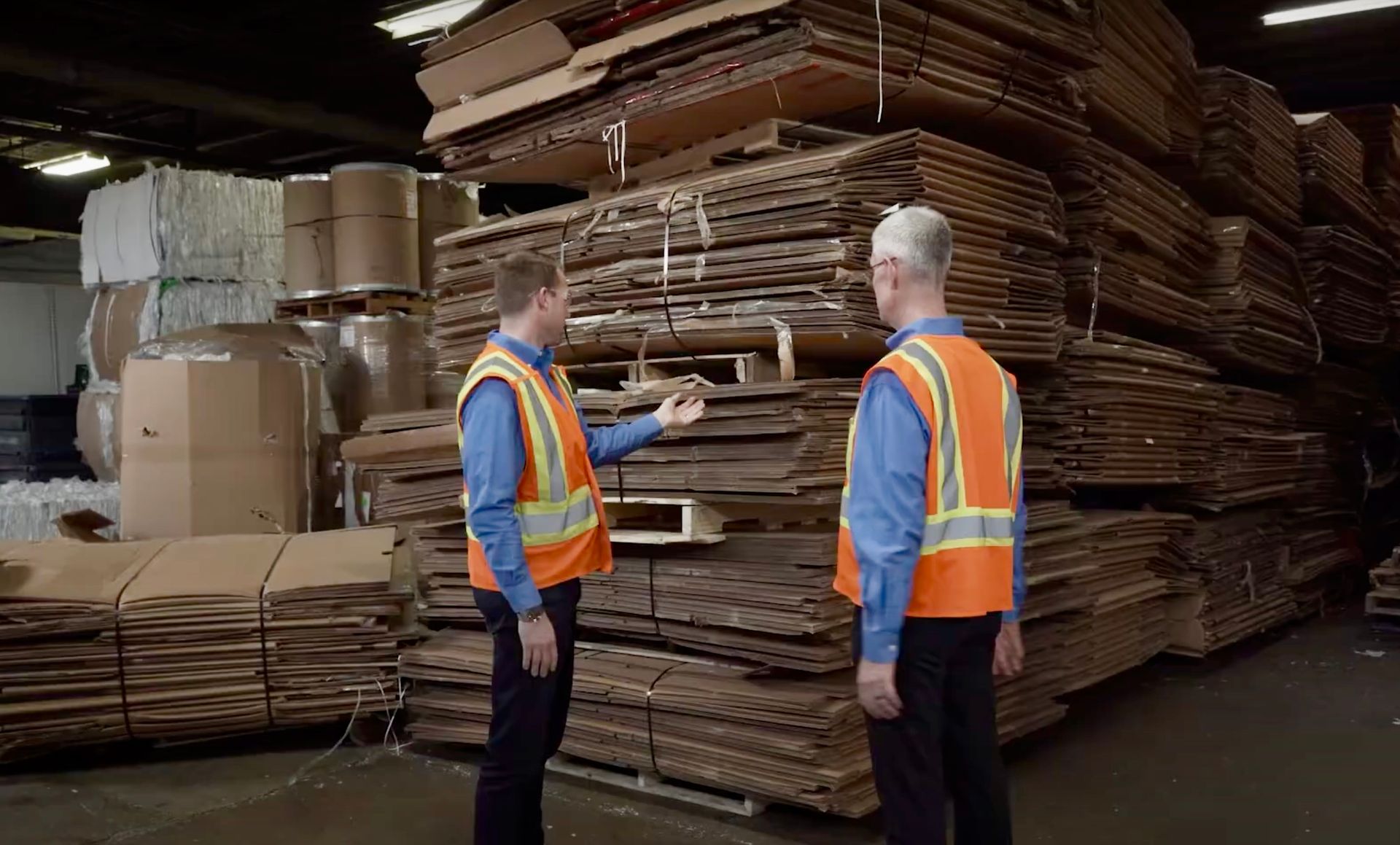
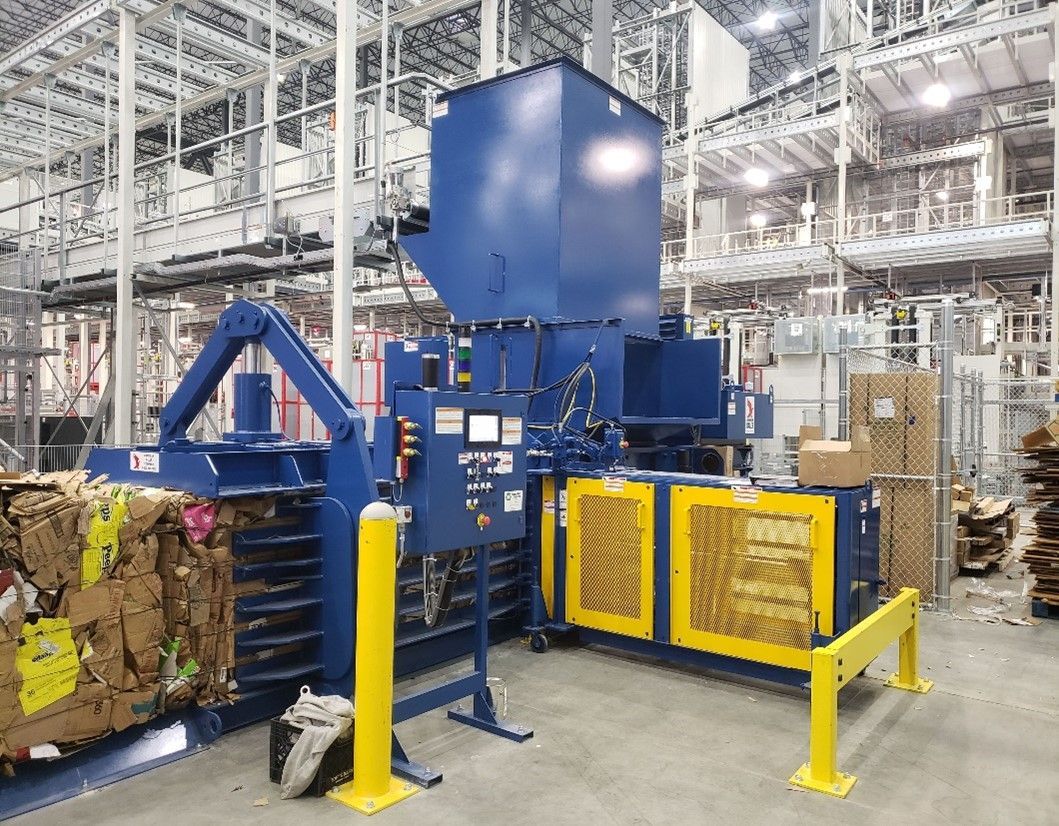
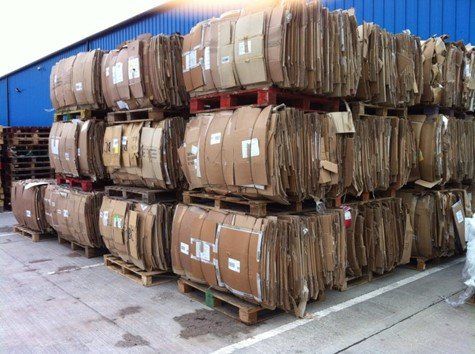
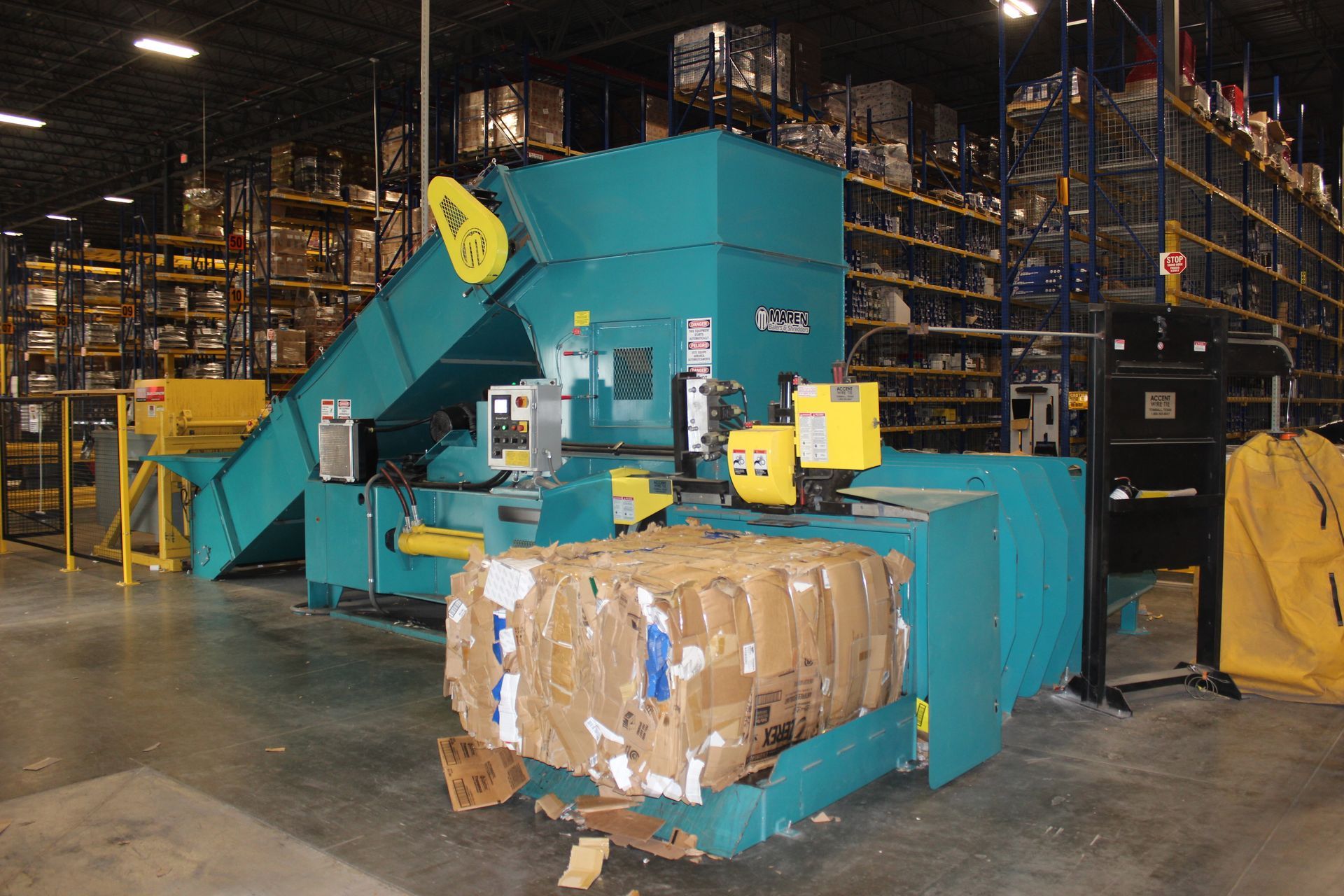
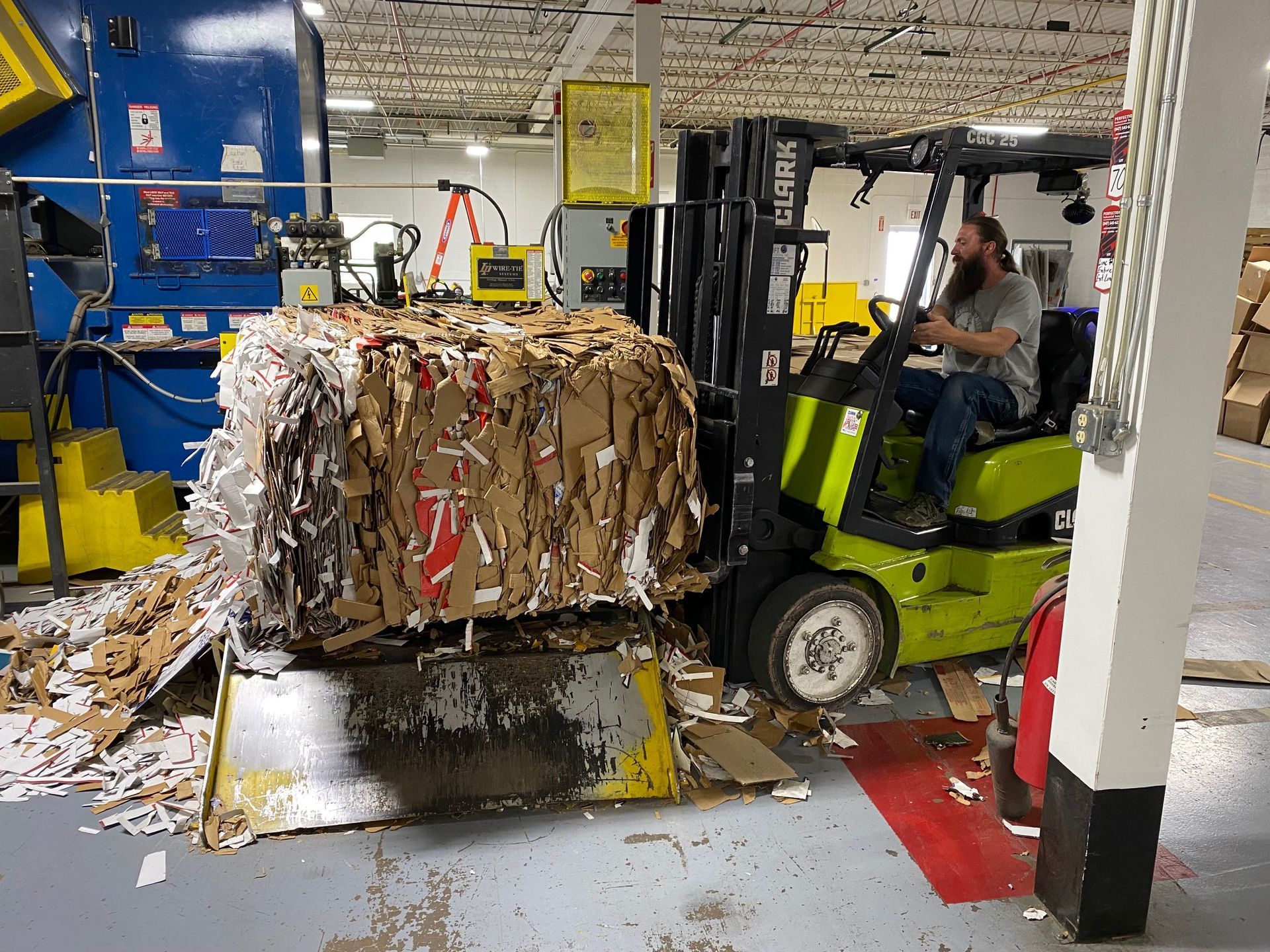
MAPR’s century of experience proves that cardboard and paper become real revenue only when the entire recycling system, not just the bins and the baler, is optimized. That means improving how materials are sorted, baled, stored, and moved, and ensuring they always have a reliable home.
Across Columbus, Cincinnati, and Dayton, the most resilient programs focus on four essentials:
1. Capture More, Capture Cleaner
Small improvements in OCC recovery or mixed paper quality can create meaningful gains, especially in low-price markets. MAPR helps identify where valuable fiber is being lost.
2. Keep Multiple Outlets Open
Volatile markets require flexibility. MAPR’s national brokerage network, now strengthened by FV Recycling, keeps Ohio companies connected to steady buyers and mill-direct opportunities.
3. Tighten Logistics
Using trailer drops, smarter pickup schedules, and fewer empty miles reduce costs and protect margins even when prices dip.
4. Leverage Market Intelligence for Better Timing
MAPR monitors mill behavior, grade shifts, and price movements daily, helping customers adjust quickly and protect margins. As Don Gaines says, “It’s to help customers see what their materials are truly worth and build programs that deliver measurable returns.”
Ohio Companies Don’t Need Stable Prices, They Need a Stable Recycling Program
The most resilient organizations in Columbus, Cincinnati, and Dayton aren’t waiting for markets to recover. They’re building recycling systems that perform no matter what mills do next.
MAPR helps businesses turn volatile OCC and mixed paper streams into reliable, measurable revenue. The outcome is simple: stronger margins, steadier operations, and a recycling program that grows the worth of your waste.
Ready to strengthen your recycling strategy? Let’s turn your cardboard into cash, no matter what the market throws your way. Start the process by completing our free waste audit survey here: