Recovered Paper in 2026: Are Box Manufacturers Leaving Recovered Paper Value on the Table?
For corrugated, paperboard and box manufacturers, recovered paper can sit on both sides of the profit-and-loss statement. It is an essential fiber source for some operations and a revenue-producing byproduct for nearly every box plant.
Yet the tons leaving the plant often receive far less executive scrutiny than the materials coming in.
With old corrugated containers (OCC) prices moving off their 2025 lows during 2026, this is a useful time to ask a straightforward question: Is your company capturing the full net value of the recovered paper it already generates?
The Market Is Recovering, Not Returning to a Peak
Recovered paper values strengthened through much of the first half of 2026, even as overall box demand remained subdued. At the same time, significant North American containerboard capacity has been removed. The result is a market being reshaped by supply discipline as much as by demand.
That does not support a basic "prices are high, sell now" message. Values remain well below past peaks, and the next monthly move is never certain. But improving prices make small leaks in a recovered paper program more consequential. Legacy contract terms, weak bale quality or unnecessary freight deductions can quietly leave meaningful dollars on the table.
"The timing is very good now to reevaluate your plans for growth," says Don Gaines of Mid America Paper Recycling (MAPR). For pre-consumer scrap generators, that creates an opportunity: experienced buyers see value in those tons, so sellers should make sure their programs reflect it.
Your Posted Price Is Not Your Net Return
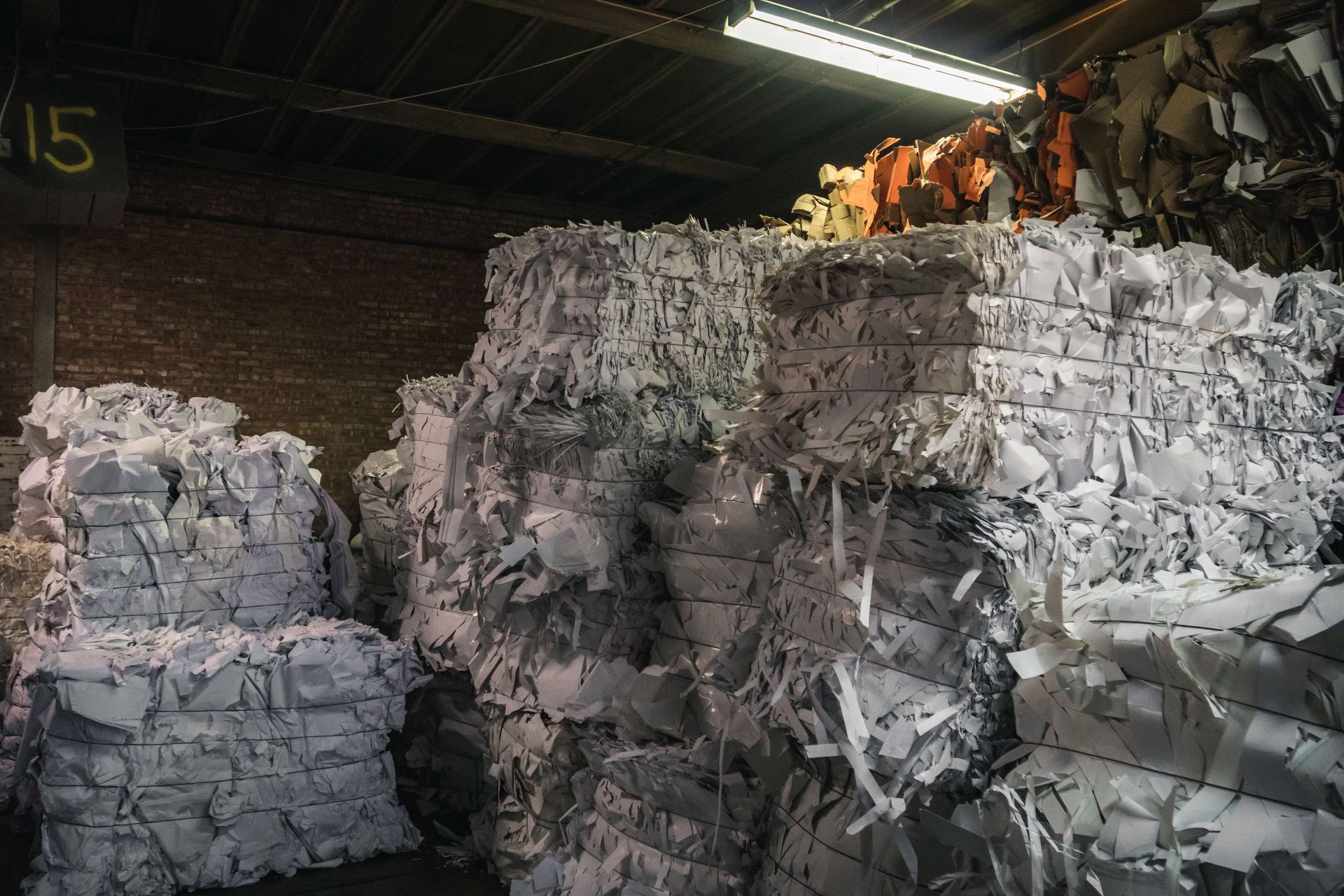
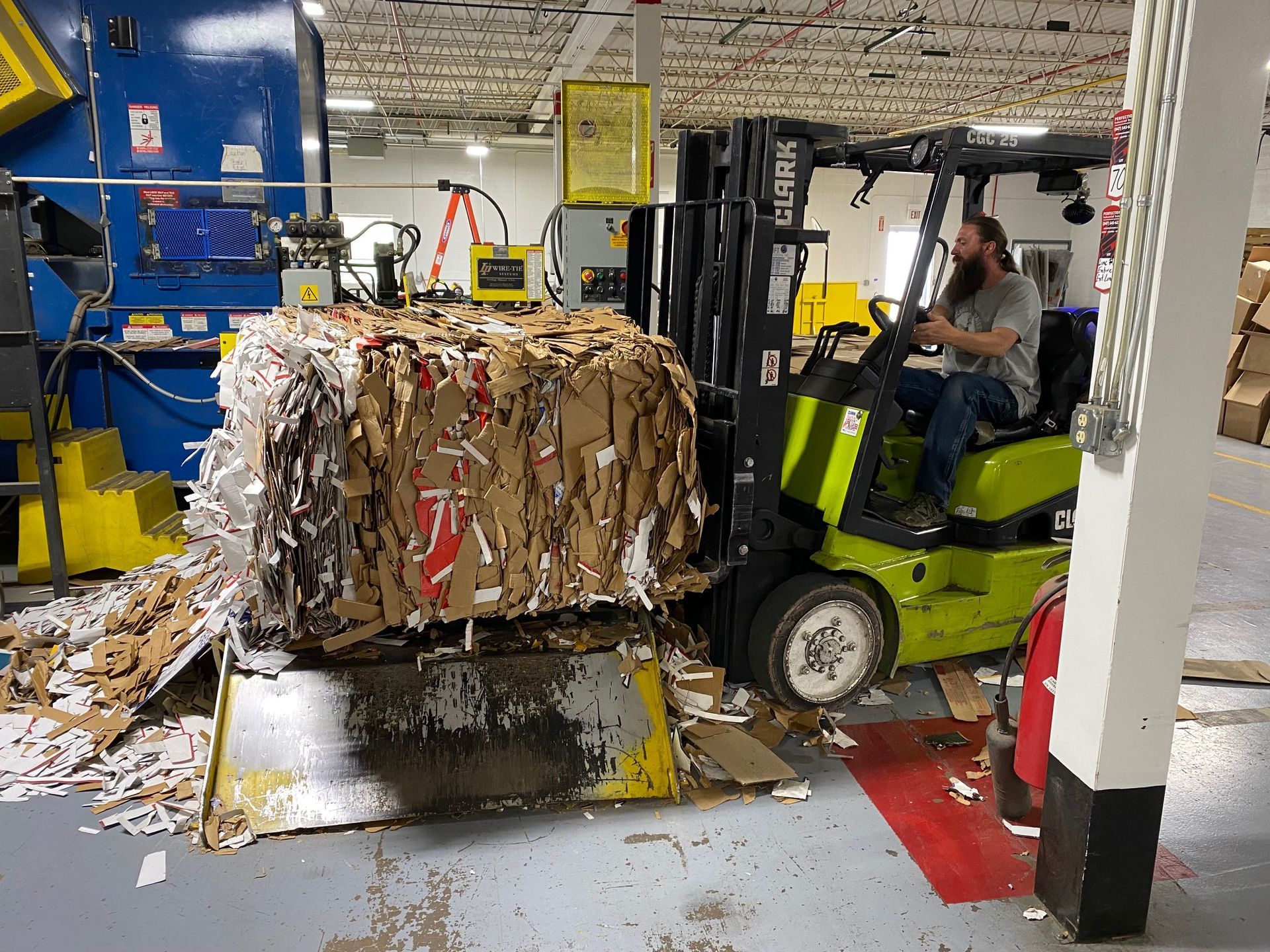
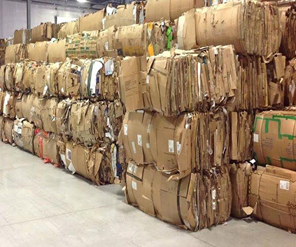
A recovered paper benchmark is only the starting point. What a box plant actually realizes depends on grade, bale density, contamination, moisture, load weight, freight, handling charges and the mill outlet ultimately receiving the material. The highest quoted rate can produce a weaker net return once those variables are included.
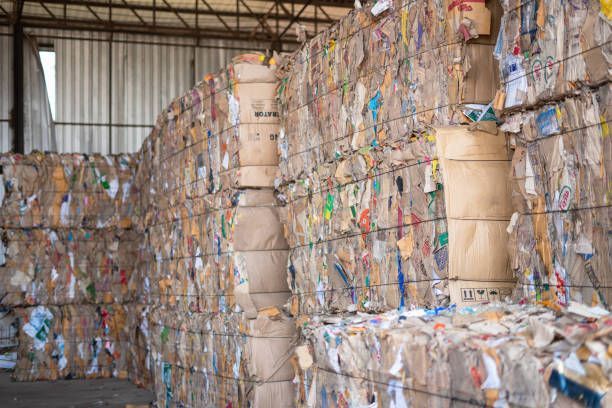
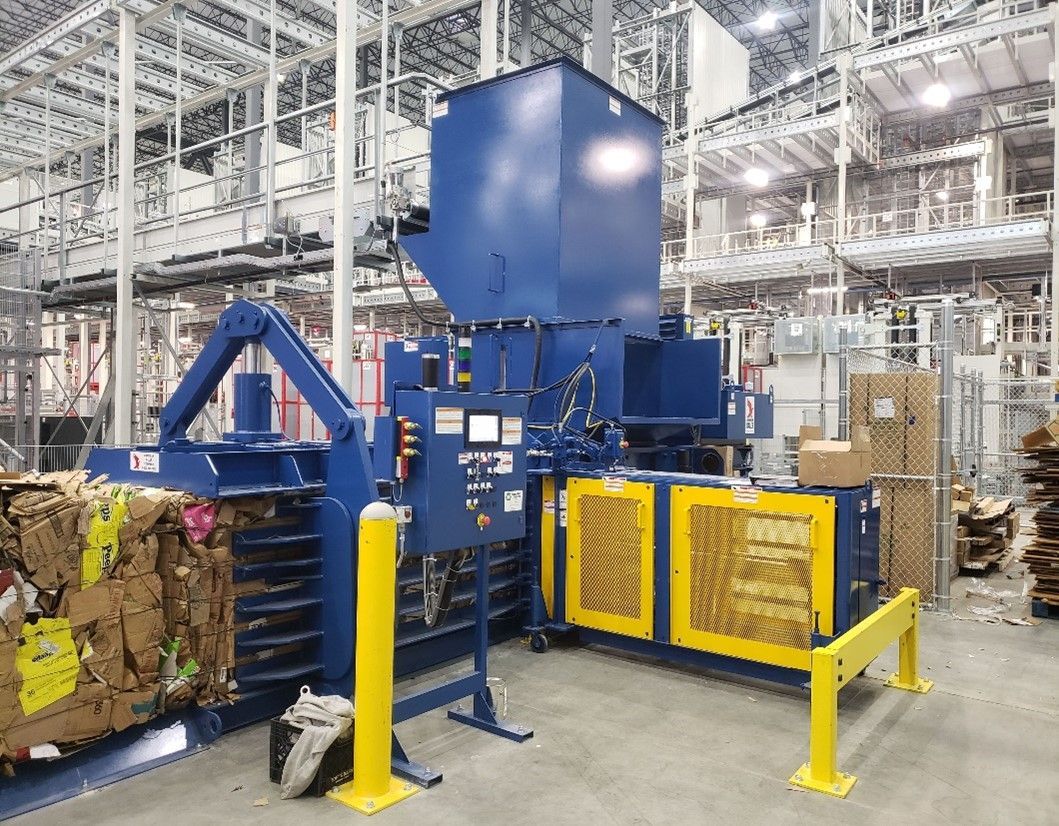
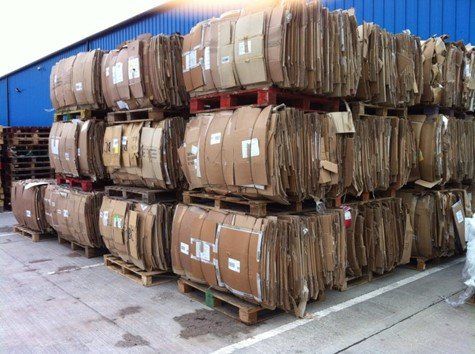
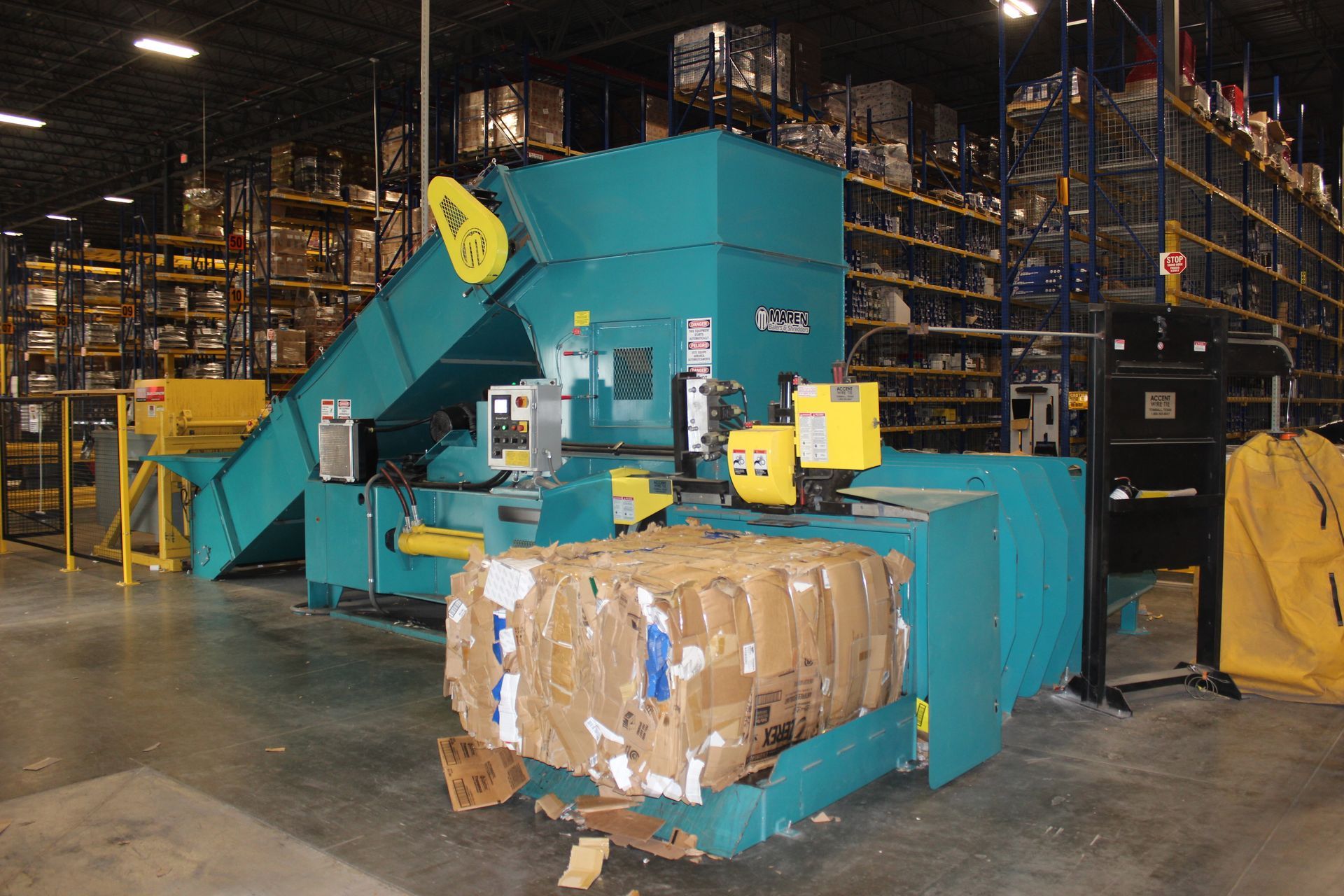
Executives should ask whether converting trim, rejected sheets and OCC are being separated into the most valuable practical grades; whether balers are producing dense, consistent bales; whether trailers are leaving at efficient weights; and whether every deduction is visible. They should also test whether contract formulas still track today's market and whether the recycling partner has enough mill relationships to place material competitively when local demand changes.
Use a Moving Market to Recheck the Program
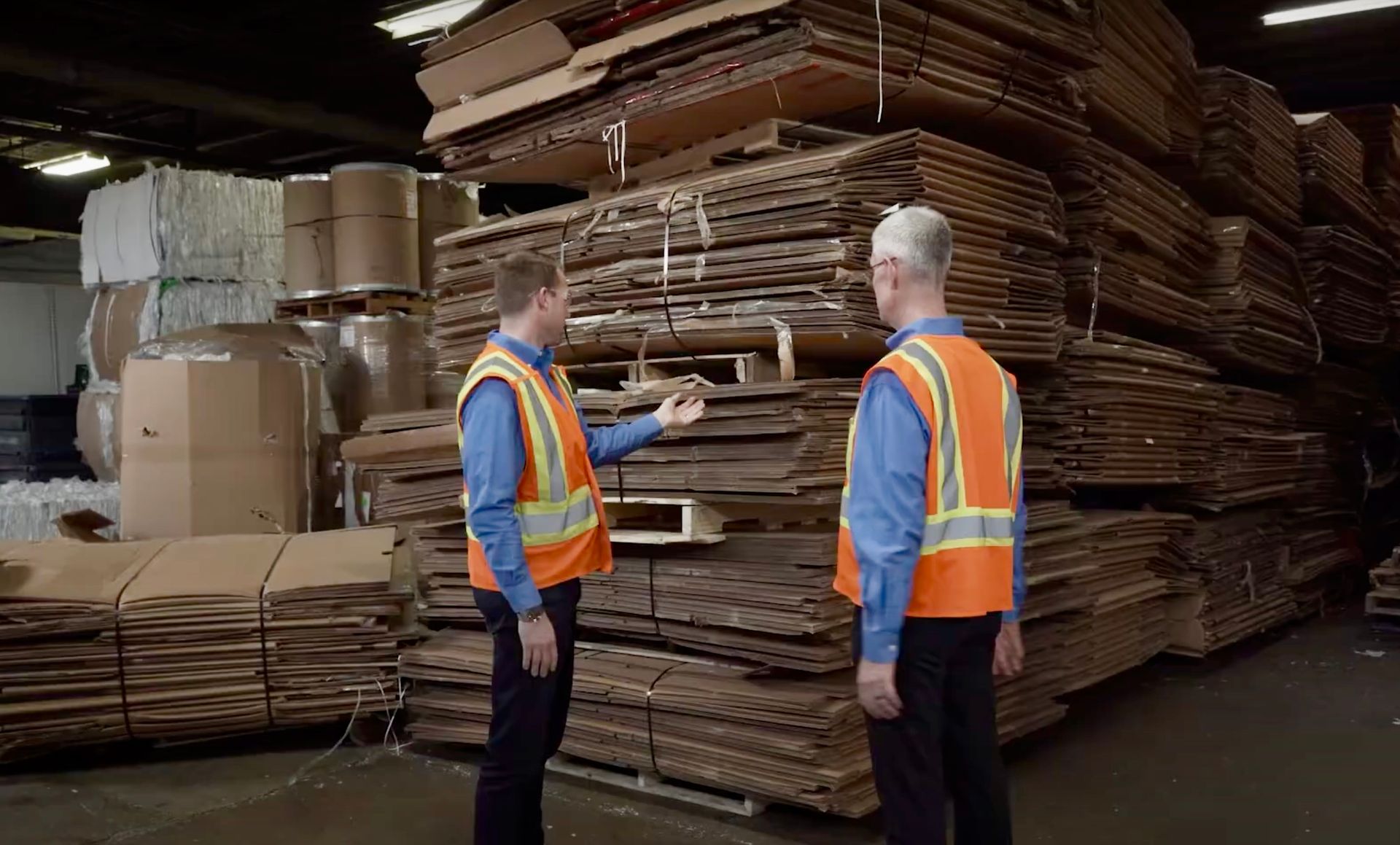
The best review starts facility by facility. Establish actual tons, grade mix, service frequency, equipment costs, freight and net proceeds. Then compare locations. A plant with similar volume but a materially lower return may have a quality, loading, contract or service issue that a corporate total conceals.
Multi-site box companies should also examine reporting discipline. Consistent monthly data can reveal contamination trends, underweight loads, missed pickups and differences in price realization before those issues compound. Even modest per-ton improvements become significant when multiplied across plants and annual volume.
"Things right now are lining up well in the market," Gaines says. "This is the time to double down." For MAPR, that means connecting buyers with more recovered paper tons and bringing generators more competitive, well-structured programs.
For box manufacturers, it makes this a good moment to benchmark existing arrangements and require a clear accounting of net value.
Don't Just Watch the Recovered Paper Market. Use It.
No one can call the next $5-per-ton move with certainty. C-suite leaders do not need to. They can use today's changing recovered paper market to improve the fundamentals they already control: material quality, logistics, contract transparency, mill access and performance reporting.
Mid America Paper Recycling helps corrugated, paperboard and box manufacturers market and manage recovered paper with a focus on total net value, not simply the latest posted price. If you are evaluating your recovered paper contracts, plant performance or recycling program, contact MAPR to uncover where more value may be available.