Recycling Volatility Has Moved Out of the Plant and Into the C-Suite

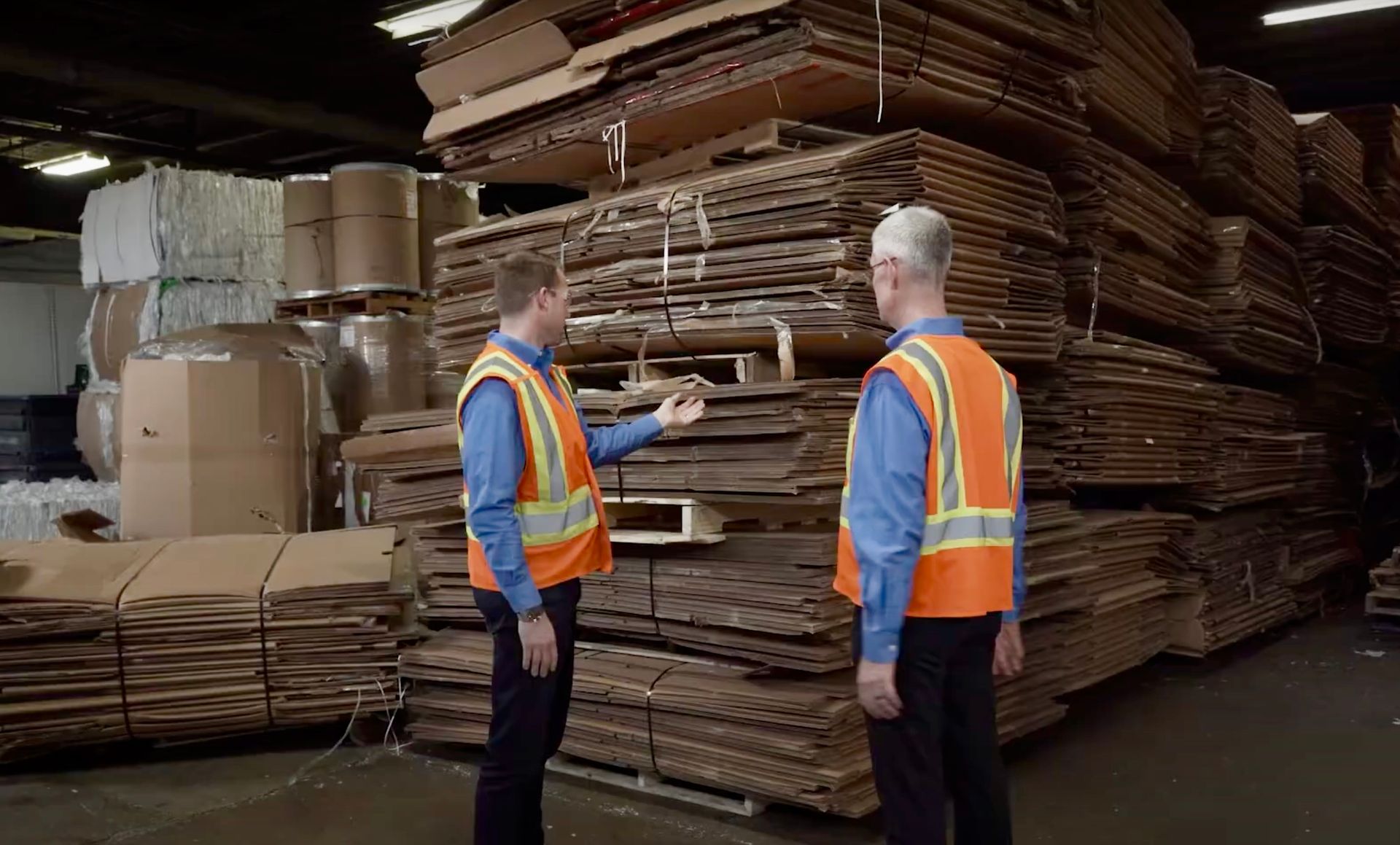
For packaging converters, recycling has traditionally been viewed as a solved problem. Pre-consumer OCC and DLK are clean, consistent, and widely used by paper mills. As long as bales moved offsite, few executives gave recycling much strategic attention.


But today, volatility in recovered fiber markets is turning what was once a background function in the plant into an important source of financial and operational exposure. Nowadays it’s one that increasingly belongs in executive and board-level conversations.


The Old Assumption Is Broken


For decades, recycling programs at box plants were built around three familiar beliefs:


  • Clean OCC and DLK always have a home somewhere
  • Pricing fluctuates, but demand is usually stable
  • Recycling is an operational function, not strategic


Those assumptions held when regional mill capacity was broader, freight was predictable, and quality standards were forgiving.


What’s Actually Changed In The Recycling Market


Over the past several years, North America has seen dozens of paper mill closures, consolidations, or paper grade conversions, particularly impacting recycled fiber demand. Fewer mills now control more buying power and they are becoming increasingly selective.


“Converters assume that their clean scrap and trim waste guarantees movement,” says Don Gaines, of Mid America Paper Recycling. “But when mill options shrink, even high-quality material needs a clear plan behind it.”


At the same time, scrap corrugated pricing has become markedly more volatile. According to Fastmarkets RISI data, OCC prices have experienced 40–50% year-over-year swings in recent market cycles, creating planning challenges for packaging converters accustomed to stability.


Freight volatility has also compounded the issue. Truckload rates increased more than 30% between 2020 and 2022, and while rates have moderated this past year, availability and scheduling remain inconsistent. Missed pickups, staged trailers, and emergency hauling quietly erode operating margins.


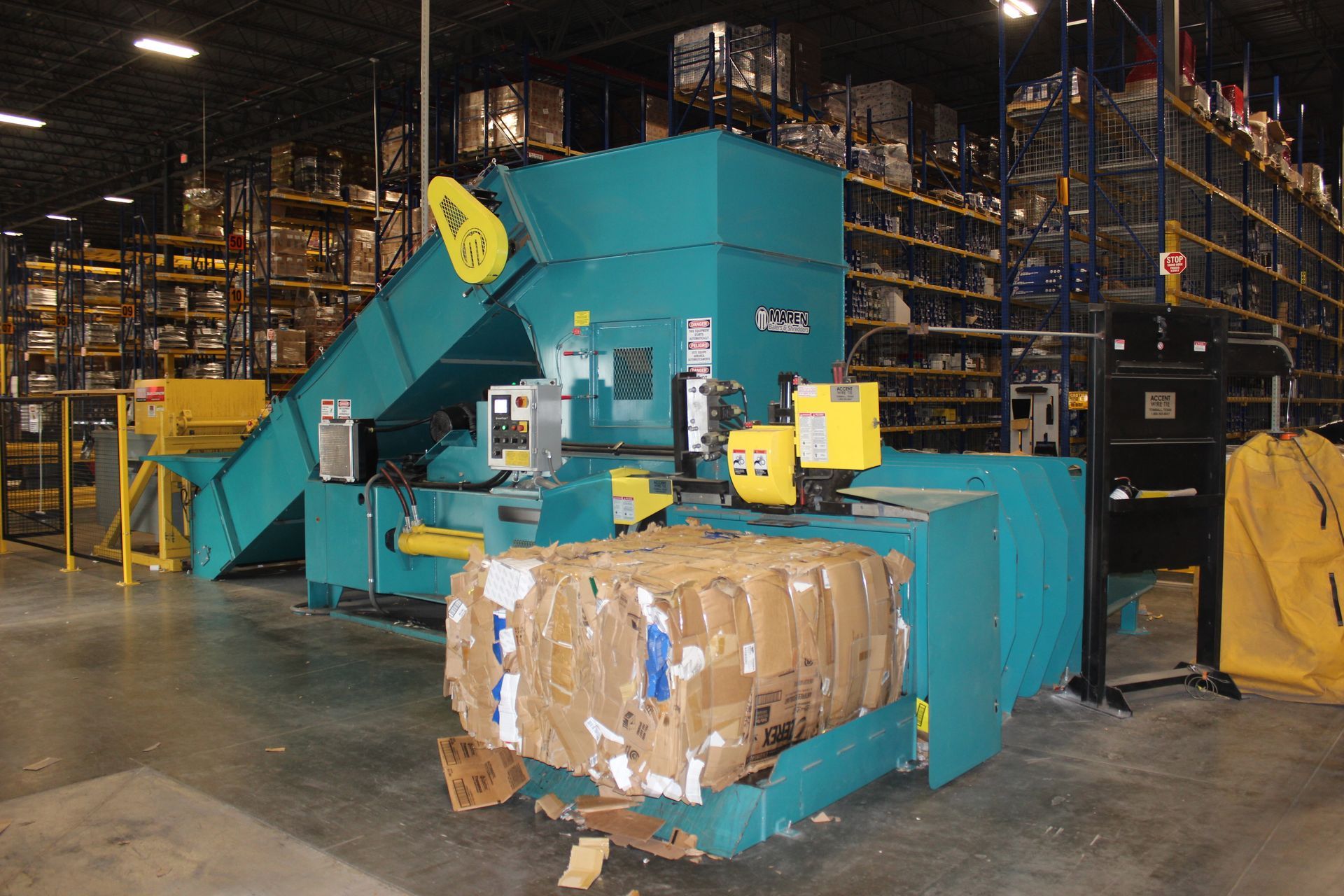
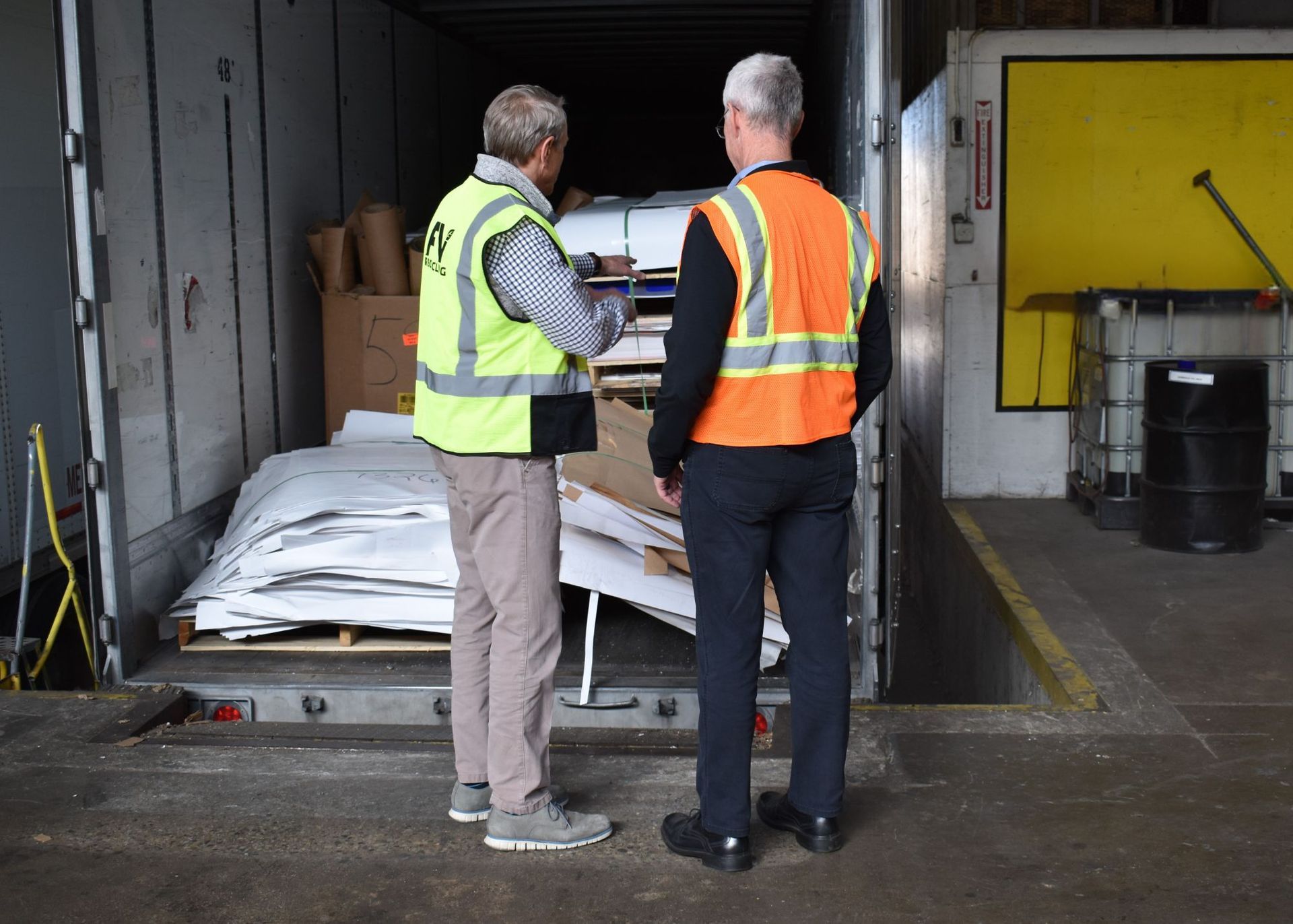
For one box manufacturer customer in Colorado, their scrap volumes dramatically increased alongside production. Prior to working with MAPR, the company self-hauled material every three weeks, leased storage trailers, and absorbed labor costs tied to unloading and transport, which are hidden expenses that scaled with volume rather than efficiency.


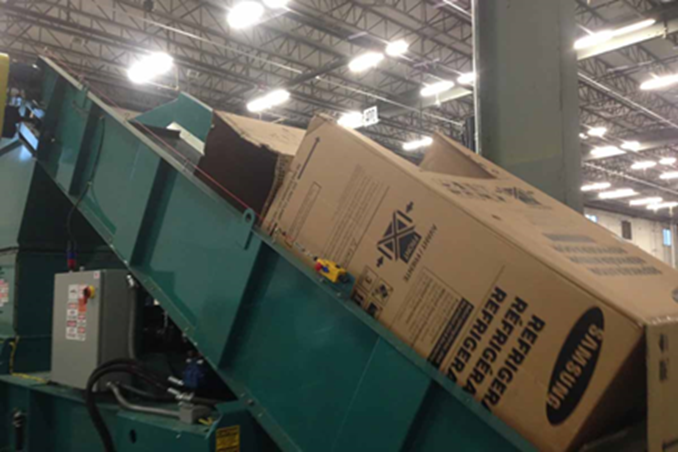
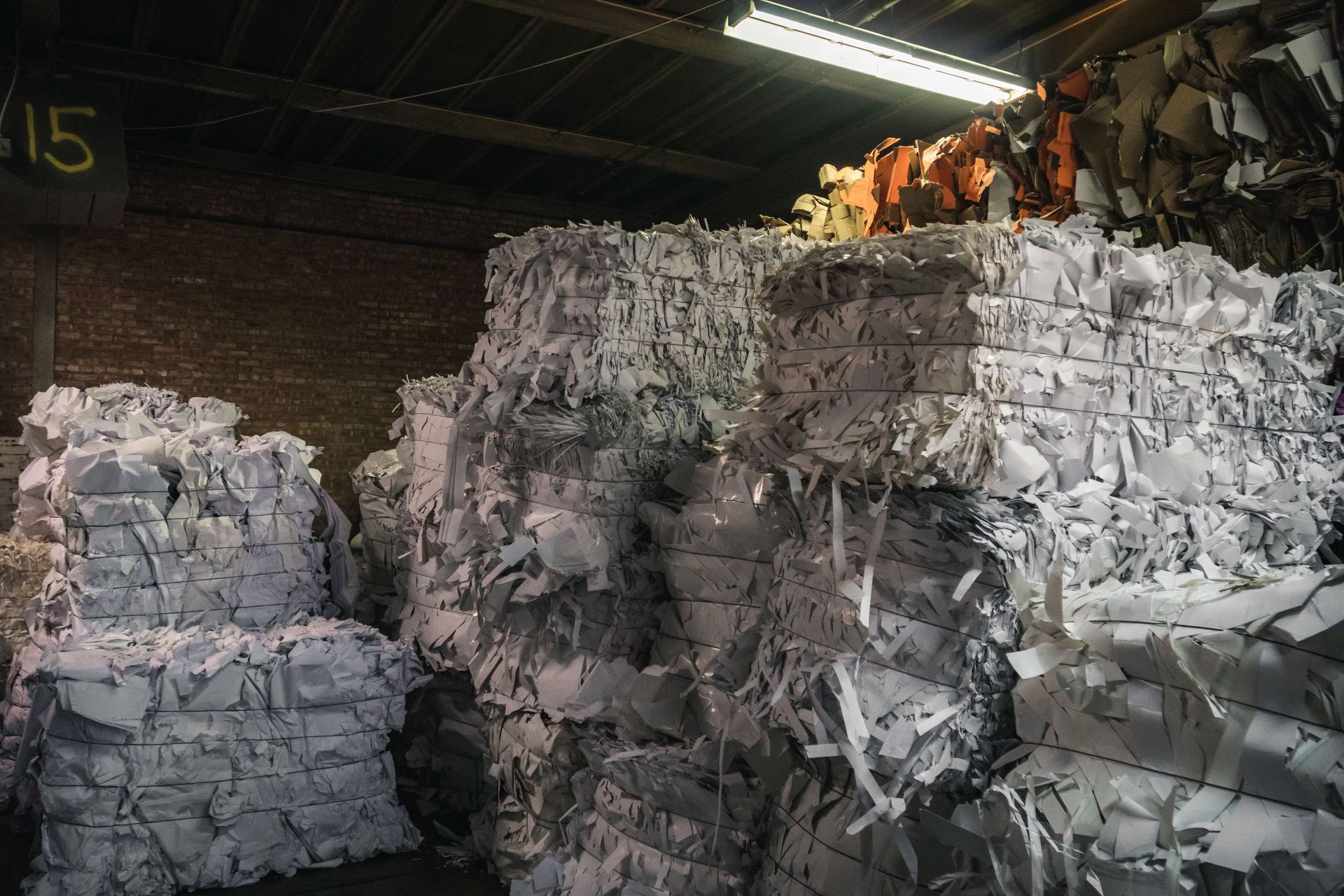
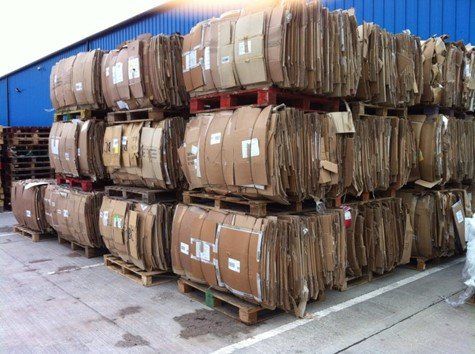
MAPR helped them redesign bale weights, loading patterns, and outbound logistics, enabling mill-direct shipments of their waste. The result: approximately $400 saved per load,  without reducing throughput or staffing increases.


Why This Matters To Leadership


These unexpected costs accumulate quietly and often hit logistics or operations budgets, but don’t always show up on recycling reports. The most resilient high-volume packaging converters now manage recycling itself as a supply chain, not a disposal function. That means focusing more on waste sorting and handling, bale quality, mill outlet flexibility, internal dock-side logistics and storage, plus continuous review as production changes.


Executive Leadership Takeaway


Recycling volatility is no longer cyclical, it’s structural. For packaging converters generating large volumes of pre-consumer scrap, treating recycling as a managed supply chain is now a form of risk management, with companywide implications. “The important thing to remember is that volatility doesn’t punish box plants who plan for it,” Gaines says. “It punishes the ones who assume their scrap will always move the way it used to.”


What You Can Do Next


For board converters generating large volumes of pre-consumer scrap, recycling volatility doesn’t have to translate into disruption or margin erosion. But it does require visibility. The first step is understanding how your current recycling program would perform if conditions change, not just when markets are stable.


That means discussing these practical questions with your leadership team:


  • Do bale quality, weights, and loading patterns align with current mill expectations?
  • How dependent is your operation on a single mill outlet?
  • What happens at the dock if a pickup is missed, delayed or a load is rejected at the mill?
  • Where are hidden labor, freight, or scrap storage costs accumulating in your plants?


Mid America Paper Recycling works with packaging converters across North America to evaluate recycling programs as operating systems, not just disposal arrangements. Our team helps identify where risk is building and where small adjustments can improve resilience, efficiency, and financial performance.


If you’d like a starting point, we offer a free online waste audit that allows you to quickly assess how your recycling program is structured today and where potential vulnerabilities may exist.


For a deeper conversation, our recycling brokerage experts are also available for free one-on-one consultations to review your operation, answer questions, and discuss whether your current approach is positioned to withstand ongoing market volatility.


Because in today’s recovered fiber market, the most expensive risk is assuming your recycling program will keep working the way it always has.
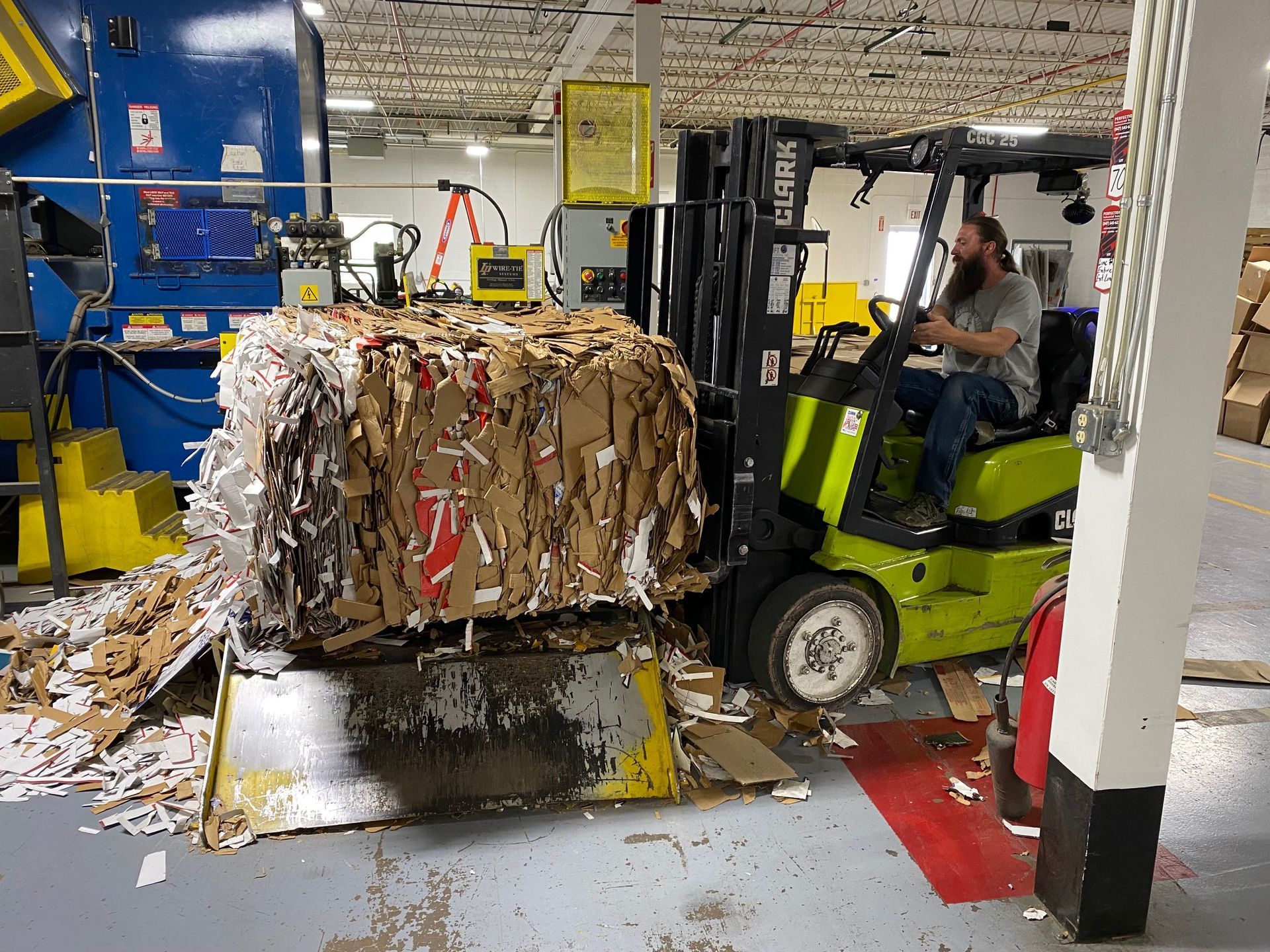
Bale weights, loading patterns, and outbound logistics | MAPR
Commercial cardboard recycling in Columbus, OH
By Mid America Paper Recycling December 4, 2025
Learn how to strengthen your OCC and mixed paper recycling program to boost revenue, reduce volatility, and create more stable returns in shifting markets.
By Mid America Paper November 12, 2025
Learn how Georgia paper mill closures impact recycling operations and discover steps your business can take to stay efficient and profitable.
By Mid America Paper Recycling October 14, 2025
FV Recycling has acquired Mid America Paper Recycling, expanding into the Midwest and creating a stronger, nationwide recycling partner for customers.
By Mid America Paper Recycling September 16, 2025
Mid America Paper Recycling shows how smarter logistics turns recycling into profit. Learn why cost avoidance beats cost reduction in today’s market.
We get the most out of your recyclables at Mid America Paper recycling
August 7, 2025
Mid America Paper Recycling brings nearly 100 years of experience to every site we serve. We’ve grown by helping companies like yours get more out of their operations.
May 10, 2025
When the Mill Shuts Down: What Happens to All That Recycled Corrugated?
A large pile of plastic is sitting on the ground in a parking lot.
By Admin April 29, 2025
Rethinking the Future of Plastic Packaging: A Recycling Challenge We’re Tackling Head-On
A graph showing key recycling caps from survey of 142 businesses
By Admin April 3, 2025
What 142 Businesses Taught Us About Recycling Practices in 2025
February 17, 2025
Driving Value, Innovation, and Sustainability: Meet Brian Gaughan, Mid America Paper Recycling’s Business Development Leader
February 2, 2025
For printing and packaging firms, floor space is a critical resource directly tied to productivity, safety, and profitability. Operating under typically tight profit margins, these companies cannot afford inefficiencies that hinder operations or add unnecessary costs. Yet, in many facilities, valuable floor space is wasted on scrap and trim waste from the paperboard manufacturing and converting process. Gaylords of loose material waiting to be processed and bales awaiting pickup can create bottlenecks, disrupt workflows, and eat into already slim margins. At Mid America Paper Recycling, we provide timely solutions to help manufacturers reclaim their floor space and protect their bottom line. Here’s how: The Hidden Costs of Wasted Floor Space Inefficient use of floor space doesn’t just limit operational effectiveness—it carries significant financial and operational consequences. Here’s what’s at stake: High Real Estate Costs : Manufacturing and warehouse space is expensive. According to Prologis, the annual cost for warehouse space averages $13.20 per square foot , including base rent and operating expenses. A facility dedicating 1,000 square feet to waste storage could incur $13,200 annually in avoidable costs. Safety Risks and Workplace Injuries : Cluttered floors with bins of loose material and stacked bales create hazards that increase the risk of workplace injuries. The National Safety Council reports that the average cost of a medically consulted workplace injury exceeds $40,000 , factoring in productivity losses, medical bills, and administrative expenses. Missed Revenue Opportunities : Every square foot dedicated to waste is a square foot unavailable for revenue-generating activities. For example, a production machine occupying 1,000 square feet could generate $100,000 to $500,000 annually in additional revenue. Increased Labor Costs : Managing waste on the plant floor is time-consuming. Employees spend hours moving, organizing, and handling waste instead of focusing on higher-value tasks. At an average wage of $20 per hour , one additional hour spent daily on waste management can cost a company $5,000 annually per employee . How Mid America Paper Recycling Reclaims Space Reclaiming floor space starts with understanding a facility’s unique challenges. Through our waste audit services , we identify inefficiencies in waste management handling practices in your plant facilities and provide customized solutions to optimize space utilization. Trailer Spotting: A Game-Changer for Floor Space One of the most effective strategies we offer printers and board converters is trailer spotting. Instead of storing waste on the plant floor, a dedicated trailer is stationed on-site to accumulate scrap and trim waste, and then rotated back to our recycling facility for materials processing. Maximizes Plant Space : By removing bales and scrap from the floor at key intervals, plants can free up hundreds or even thousands of square feet for production or finished goods storage. Improves Safety : Clear, clutter-free floors reduce the risk of accidents and ensure smoother workflows. Cuts Handling Costs : Employees spend less time managing waste, which translates to significant labor savings. Streamlines Operations : Trailers simplify the waste management process, ensuring efficient material handling and faster pickups. Faster Financial Return on Recyclables : By consolidating and efficiently managing scrap materials in a trailer, recyclables can be transported directly to mills more frequently. This reduces delays, accelerates payments, and ensures more consistent cash flow tied to a recycling program. For example, one large printing client reduced their reliance on floor space for bales by 50% , enabling them to install additional equipment and increase production capacity. Execution in Action At Mid America Paper Recycling, we deliver results through precise execution of recycling programs. Our Chicago-based facility processes 51 different paper grades using advanced baling systems and a fleet of 125 trailers in our logistics network. By leveraging our infrastructure and consulting expertise, we help customers reclaim floor space, reduce costs, and maximize profitability year after year. Partner with Mid America to Reclaim Your Space  For any packaging manufacturer, the value of floor space cannot be overstated. Don’t let waste take up space that could be driving your business forward. Let Mid America Paper Recycling help you optimize your operations, starting with a free waste audit to discover how we can help you unlock the hidden value in your facility.