Why Texas Companies Are Rethinking Their Cardboard Recycling Programs
Across Texas, a growing number of manufacturers, distribution centers, packaging operations, and industrial facilities are rethinking how they manage cardboard waste. What was once viewed primarily as a disposal issue is increasingly being recognized as an operational system capable of generating measurable financial value when managed correctly.
That shift is happening for several reasons. Disposal costs continue to rise. Sustainability expectations from customers and stakeholders are increasing. At the same time, many businesses are generating larger volumes of OCC (old corrugated containers) than ever before due to expanding logistics activity, e-commerce growth, and higher packaging consumption throughout the state.
But one of the biggest changes is that companies are beginning to realize that not all recycling programs are created equal.
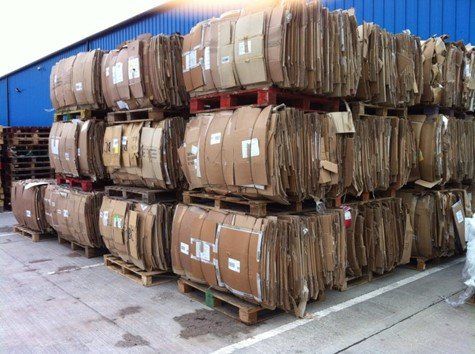
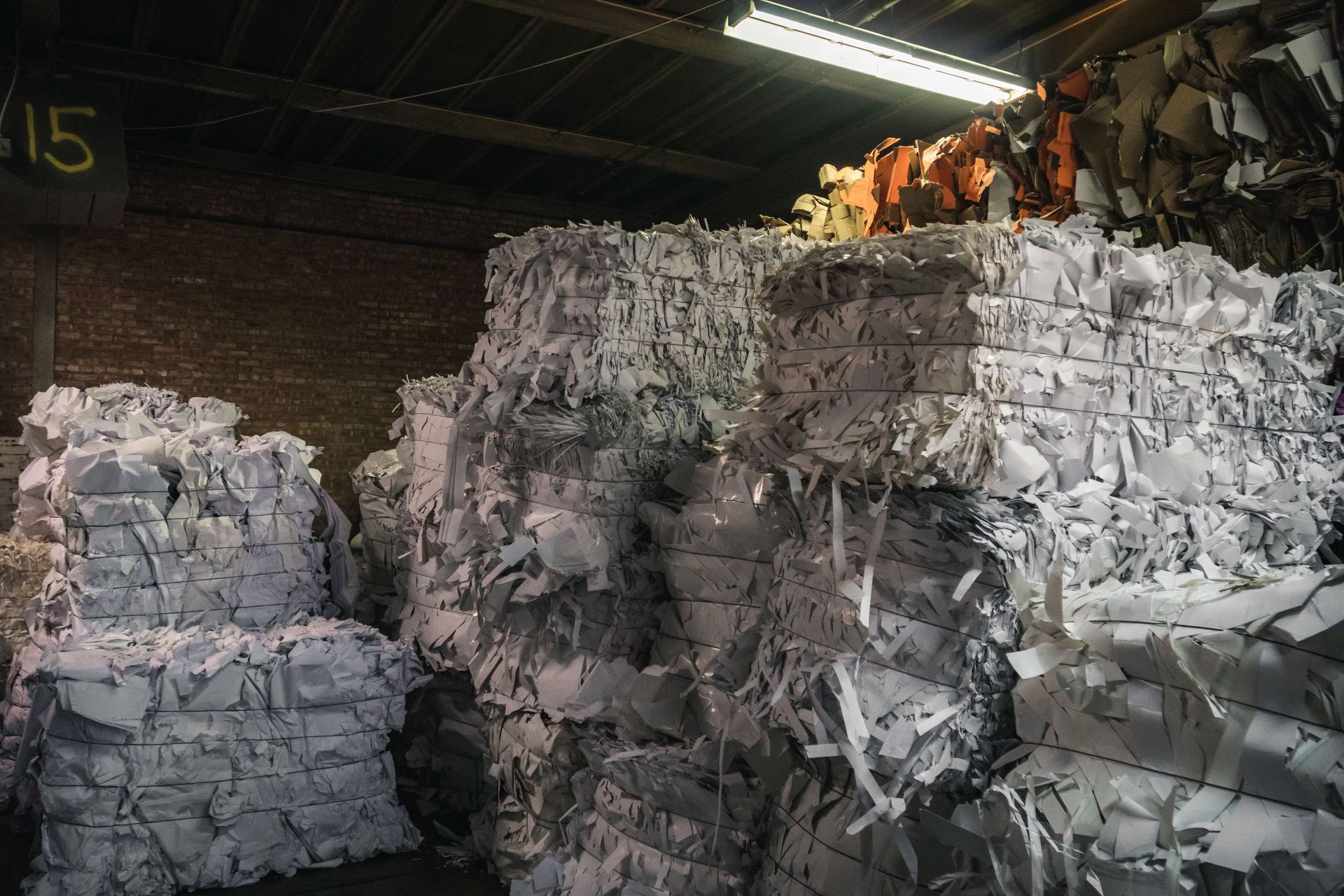
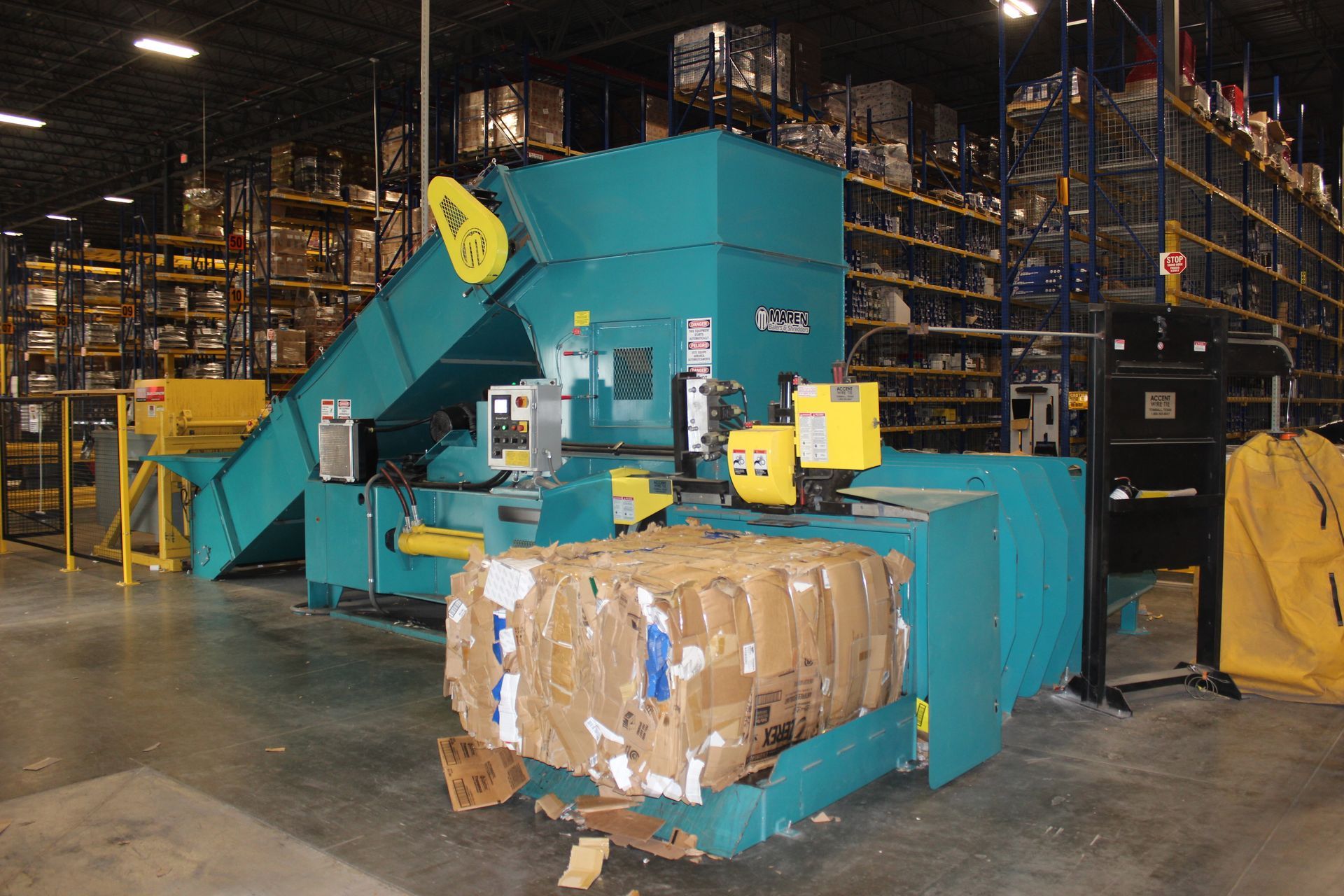
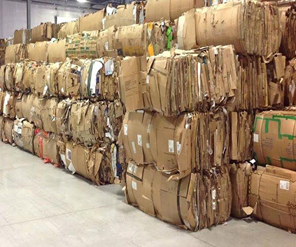
For many Texas facilities, cardboard recycling still operates as a fairly transactional process. Material is collected, baled, hauled away, and sold. Yet beneath the surface, there are often significant inefficiencies that impact profitability and operational performance. Loads may contain unnecessary contamination. Valuable grades can become mixed together. Freight costs may quietly erode margins. And in some cases, companies are missing opportunities to ship material directly to paper mills that are actively seeking specific grades.
That last point matters more than many businesses realize.
The economics of commercial cardboard recycling are heavily influenced by logistics and downstream relationships. Knowing where material should go — and how it should get there — can dramatically affect the overall value of a recycling program. Mid America Paper Recycling has spent nearly a century developing relationships throughout the recovered fiber industry, giving the company a unique understanding of mill demand, freight dynamics, and regional market conditions.
In Texas, where transportation lanes stretch across enormous distances, logistics expertise becomes especially important. Freight inefficiencies can quickly consume the value of recyclable materials if programs are not properly structured. The advantage of mill-direct shipments, optimized routing, and strategic buyer relationships often separates high-performing recycling programs from average ones.
That’s why more companies are beginning to evaluate recycling through a broader operational lens rather than simply viewing it as waste removal.
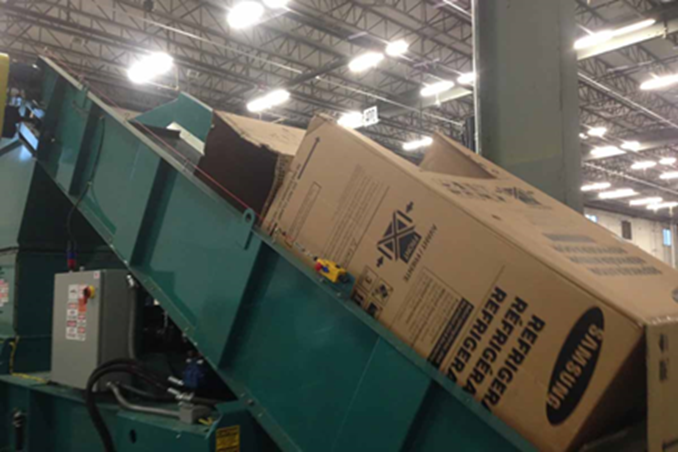
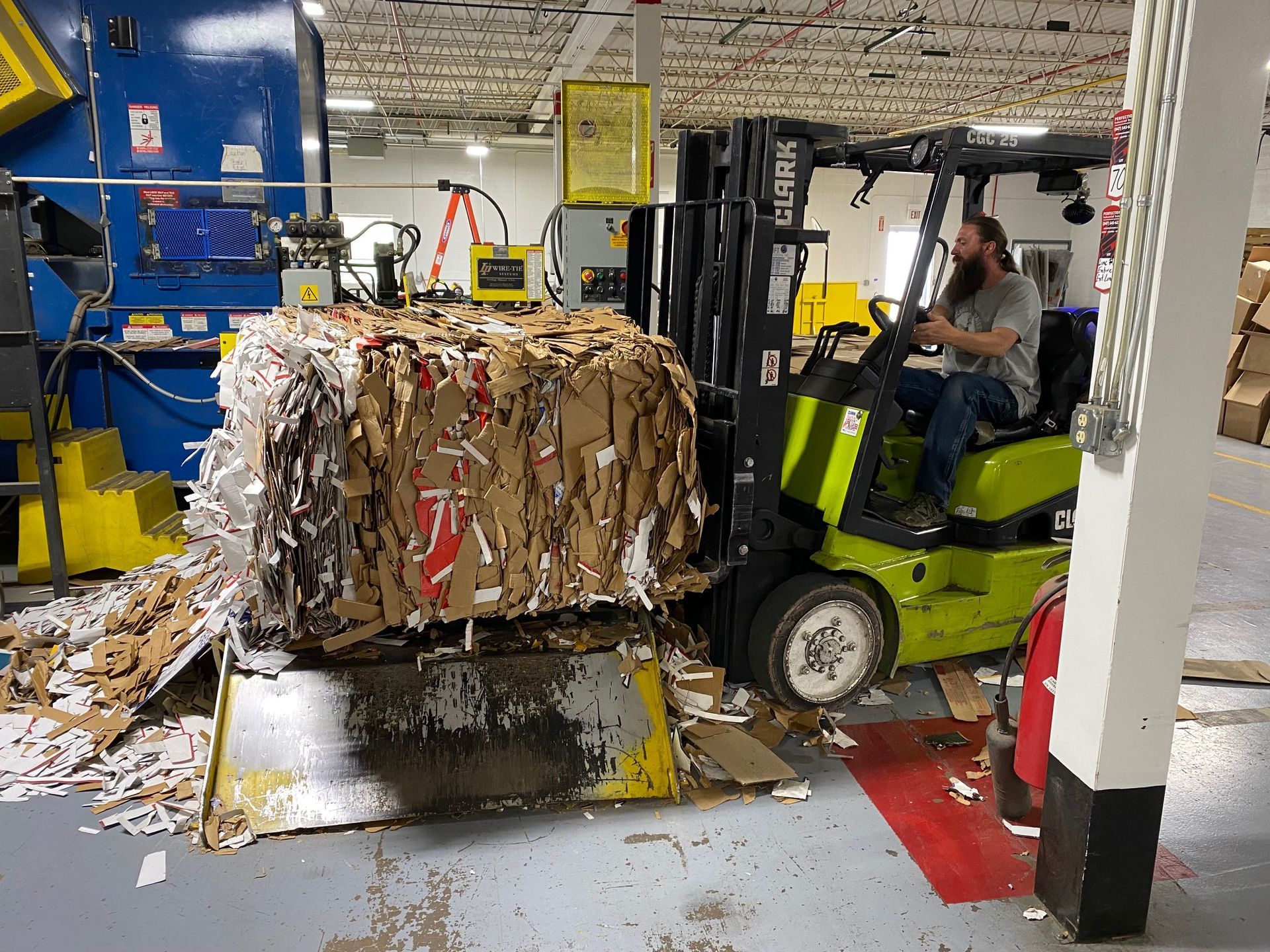
A well-managed cardboard recycling program affects far more than sustainability reporting. Inside many facilities, recycling processes directly influence warehouse organization, forklift traffic, dock congestion, employee safety, and labor efficiency. Excessive loose cardboard can create housekeeping challenges and unnecessary handling time, while poorly coordinated pickups can interfere with production flow and shipping schedules.
When recycling systems are designed strategically, those operational pressures begin to improve. Material flow becomes more organized. Bale quality becomes more consistent. Transportation becomes more predictable. And the recycling stream itself becomes a more dependable source of revenue.
This is particularly important in Texas, where industrial growth continues at a rapid pace. Distribution and manufacturing facilities across Dallas–Fort Worth, Houston, San Antonio, and Austin are under constant pressure to improve throughput while controlling costs. Recycling operations can no longer function as disconnected side activities. Increasingly, they must integrate directly into broader operational efficiency goals.
That is where professional waste audits are playing a larger role.
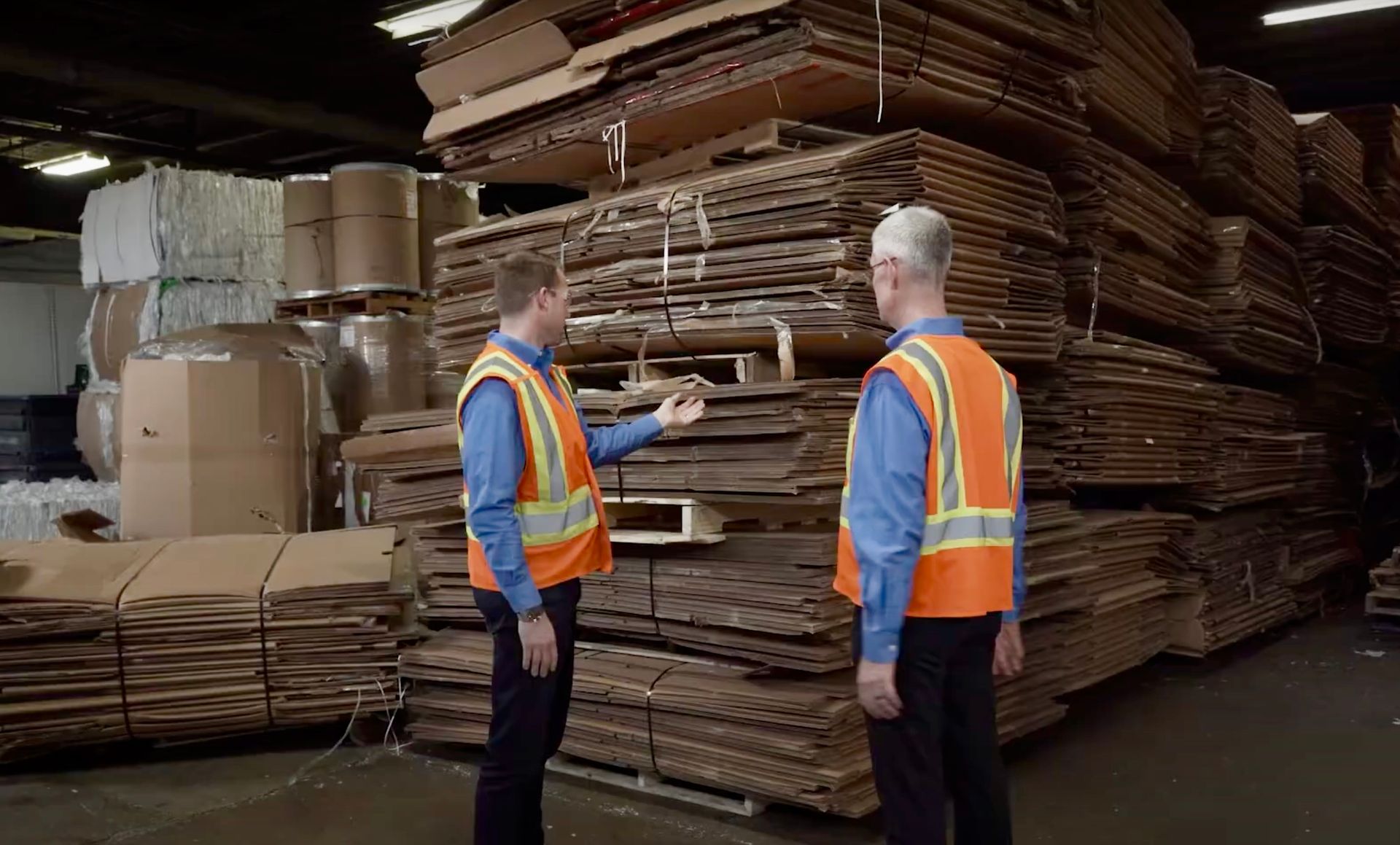
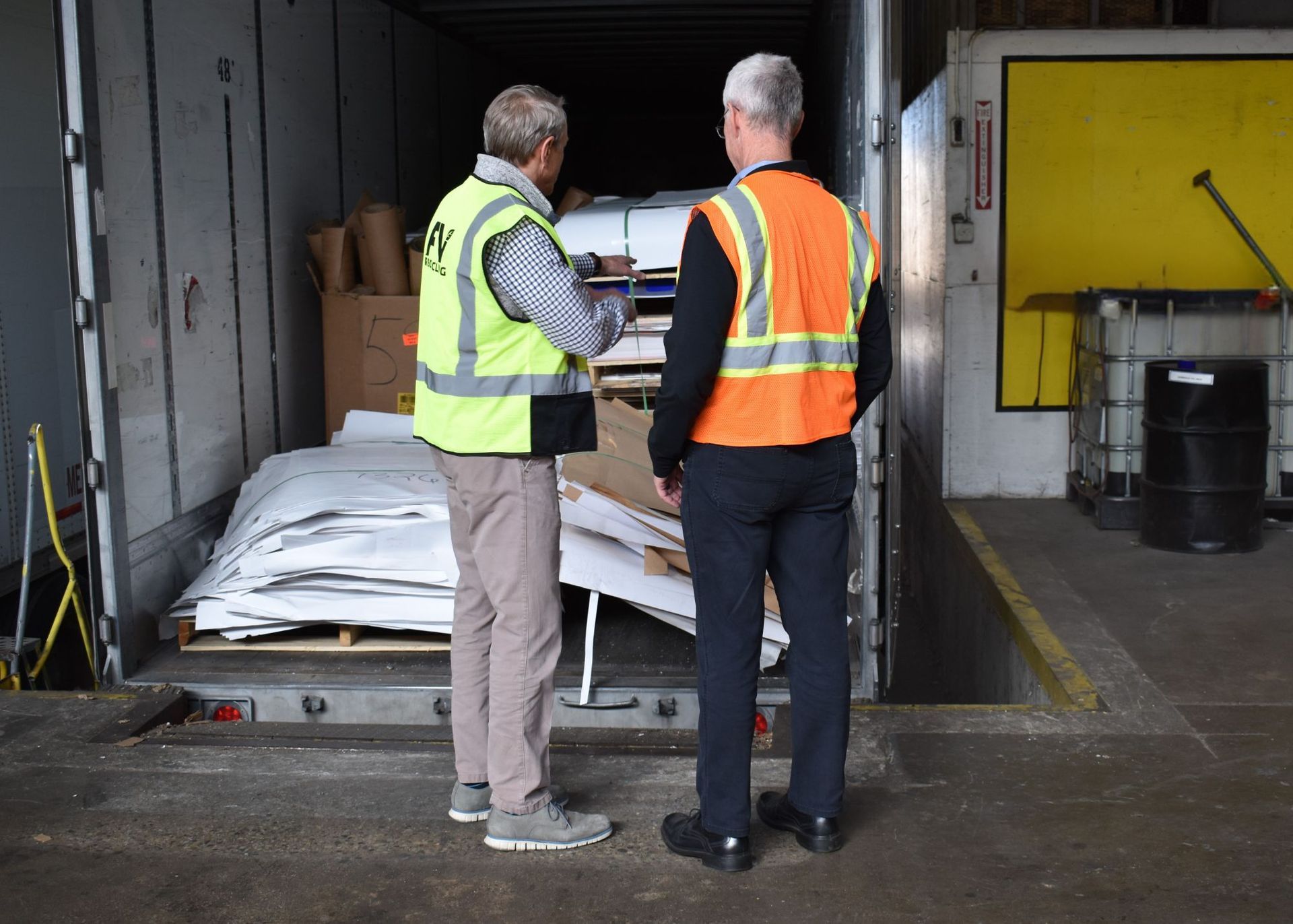
Many companies assume they already understand their waste streams, but detailed audits often reveal opportunities that were previously overlooked. In some facilities, simple adjustments to grade separation or bale storage can significantly improve material value. In others, changes to transportation schedules or loading methods may create major freight savings. Some operations discover they are sending recoverable fiber into landfill streams unnecessarily simply because processes evolved over time without strategic oversight.
Mid America Paper Recycling approaches waste audits as operational improvement exercises rather than compliance checklists. The objective is not simply to recycle more material. The goal is to identify how recycling can function more efficiently within the realities of the facility itself.
That philosophy has helped the company build long-standing relationships with commercial and industrial operations throughout the Midwest and beyond. As both a processor and broker, Mid America Paper Recycling brings flexibility that many companies cannot offer. The organization understands how to evaluate material quality, transportation economics, and buyer demand simultaneously, all critical components in maximizing the value of commercial cardboard recycling programs.
The company also supports operations with related services such as bale wire supply, transportation coordination, and program development support, helping facilities create more stable and organized recycling systems over the long term.
For Texas businesses, the timing of these conversations is important. Recycling markets continue to evolve alongside changes in domestic mill capacity, export demand, freight costs, and sustainability expectations. Companies that proactively strengthen their recycling infrastructure today are positioning themselves more competitively for the future.
Commercial cardboard recycling is no longer simply about hauling away waste. For many operations, it has become an important part of broader discussions around operational efficiency, sustainability, logistics optimization, and cost control.
And increasingly, Texas companies are recognizing that the right recycling partner can influence all of those areas at once.
If your plant is in the Dallas, Houston, San Antonio, or Austin area, contact Mid America Paper Recycling today to schedule a free waste audit and learn how your recycling program can become more efficient, more organized, and more profitable.