Commercial OCC Recycling in Ohio: Improving Your Recycling Program
For many Ohio manufacturers, distribution centers and commercial operations, cardboard is one of the largest and most visible materials moving through the waste stream. But volume alone doesn't make a cardboard recycling program successful.
How OCC (old corrugated containers) is separated, baled, stored, transported and ultimately marketed can significantly impact what a business receives for that material. A program that simply gets cardboard out the door may be accomplishing the basics while still leaving value behind.
That matters in a state built around manufacturing and distribution. Ohio's central location and extensive transportation network have helped make it a major logistics hub, putting tremendous quantities of corrugated packaging through warehouses, plants and distribution operations every day. For companies generating meaningful OCC volume, cardboard deserves to be managed as an operating asset rather than simply another material that needs to be hauled away.
Why Cardboard Recycling Matters to Ohio Manufacturers and Distribution Centers
Ohio's industrial economy creates a natural environment for high-volume cardboard generation. Manufacturers receive components and raw materials in corrugated packaging. Distribution centers continuously unpack, repack and ship products. Retail support operations, food processors and other commercial facilities can generate large quantities of OCC as part of normal business. As those volumes grow, the economics of recycling change.
What works for a facility producing a few loose boxes may become inefficient for an operation generating multiple bales per day. At higher volumes, baling practices, equipment capacity, storage space, trailer utilization and pickup frequency all begin affecting the recycling program's true cost and potential return. The question becomes less about whether cardboard is being recycled and more about how efficiently it is being recycled.
The Value of OCC Depends on More Than the Market Price
Companies sometimes evaluate their cardboard recycling program by watching the published market price for OCC. But that's only part of the equation.
The number that matters most is the net return after the material leaves your facility.
Bale quality, contamination, transportation costs, loading efficiency, volume, distance to market and the final mill or buyer can all influence what a company ultimately realizes from its recovered cardboard. Two businesses generating similar quantities of OCC can therefore see very different results. A well-managed
commercial cardboard recycling program looks beyond price per ton and asks a broader question: Are we managing the entire process in a way that captures the greatest practical value from this material?
Better Baling and Separation Can Improve Cardboard Recycling Performance
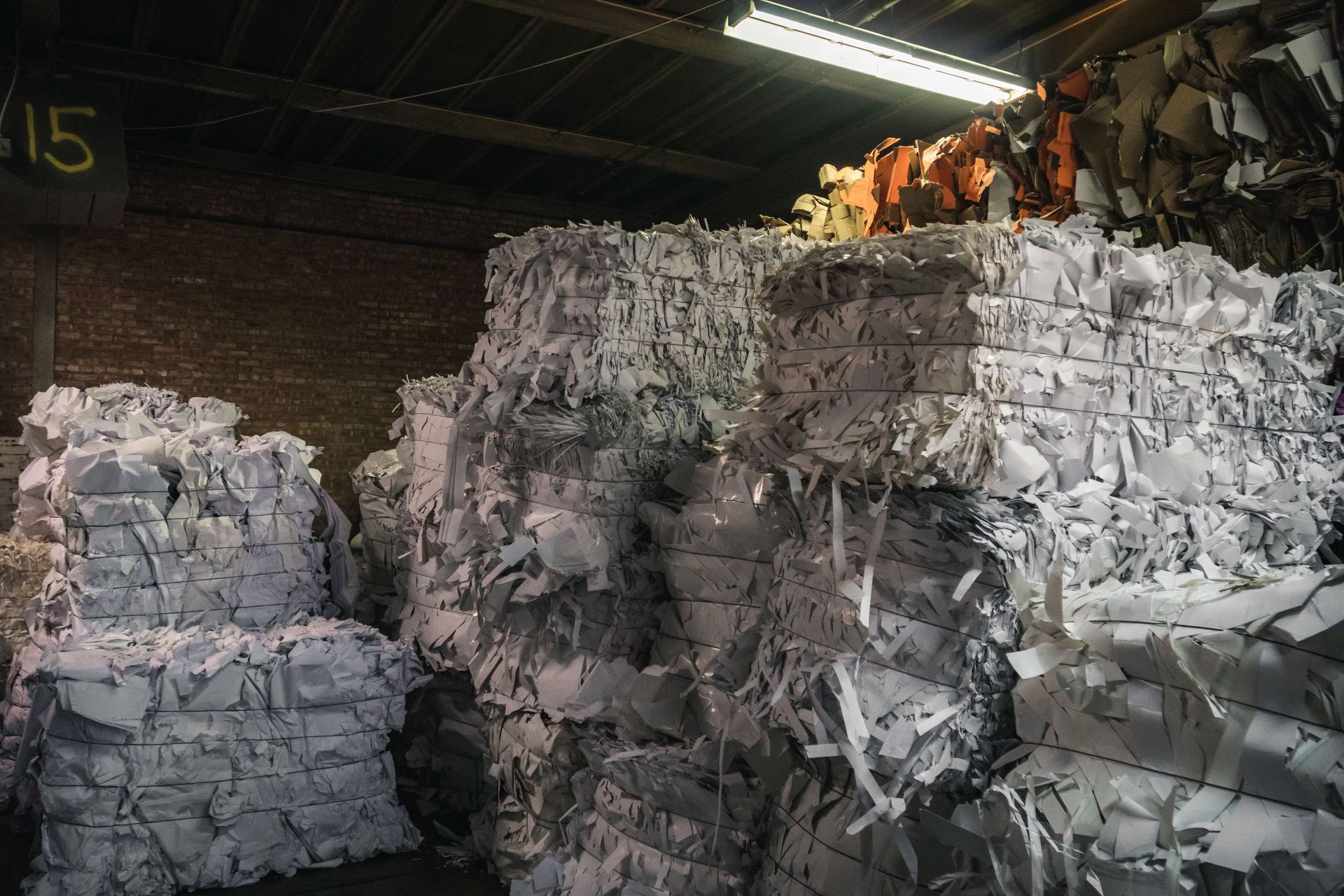
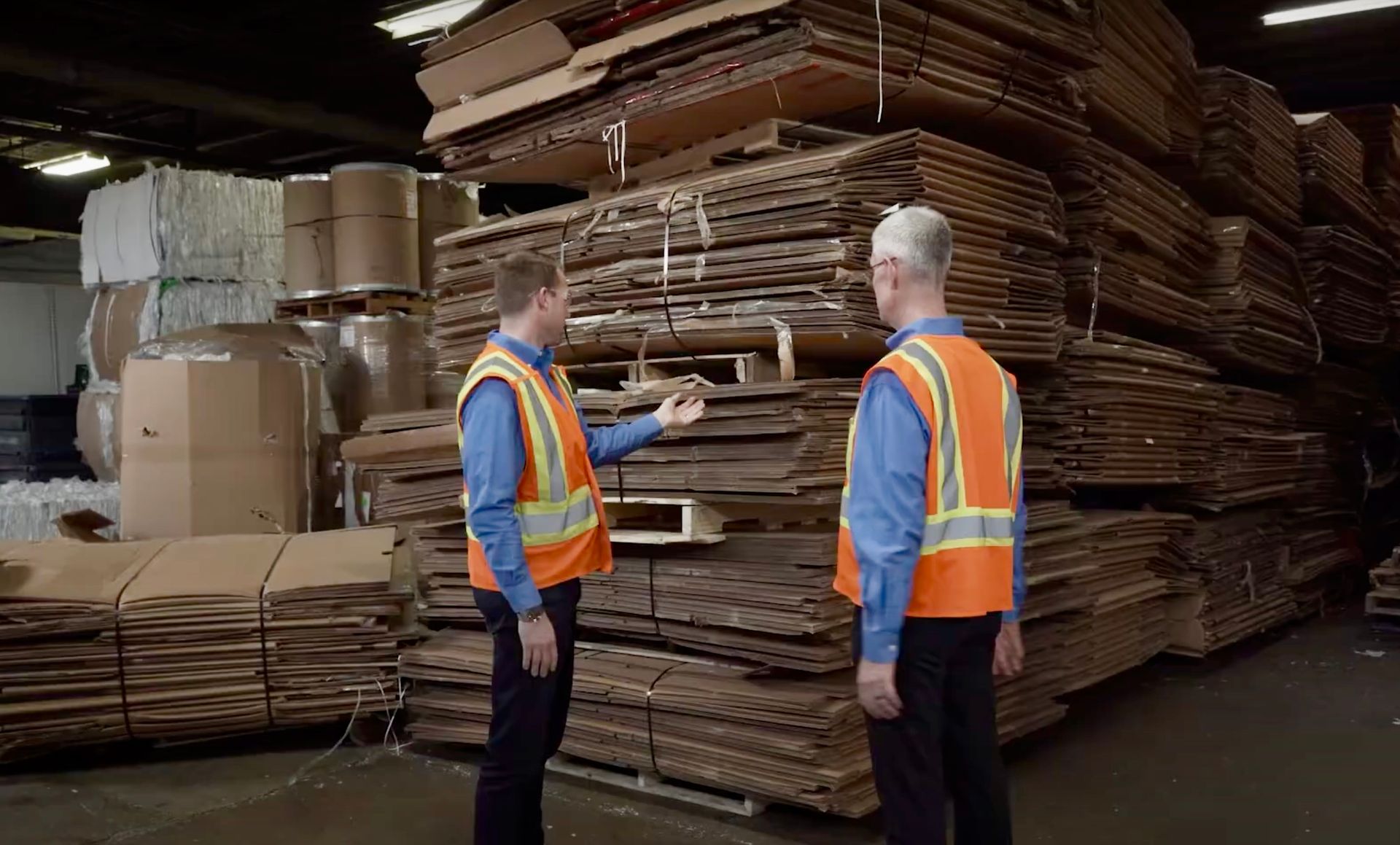
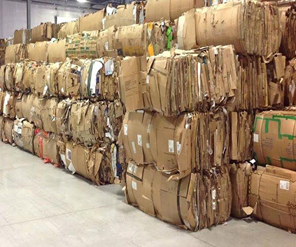
One of the easiest ways to lose value is to treat every recyclable material the same. Clean OCC typically has greater value when it remains clean and properly separated. Mixing other grades, trash, plastic film or contaminants into the cardboard stream can reduce material quality and create additional processing costs.
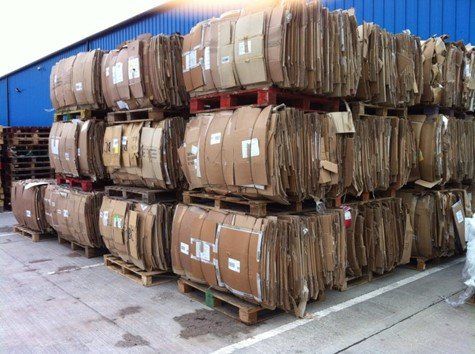
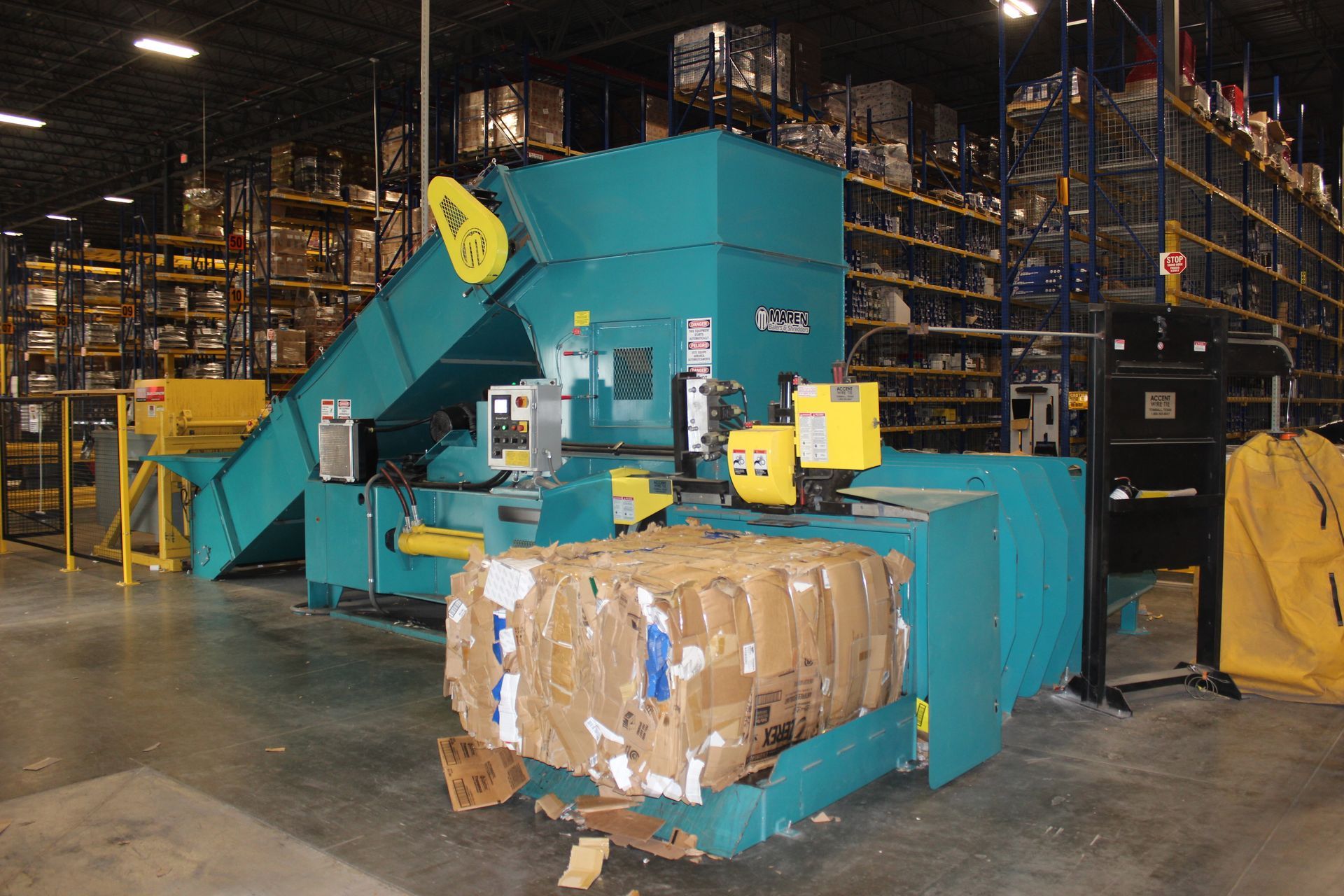
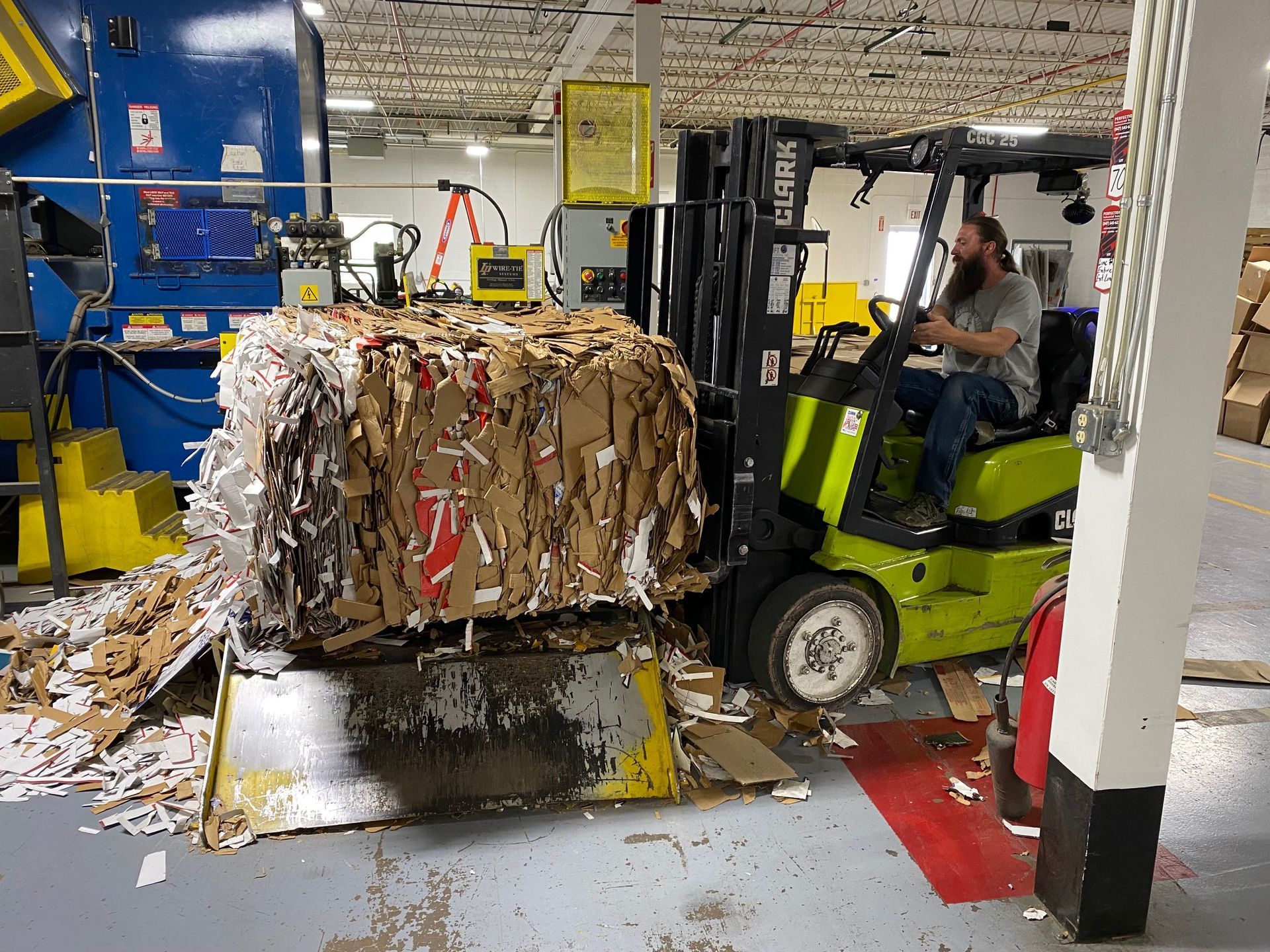
Baling also matters. Consistent, properly sized bales can improve storage, trailer loading and transportation efficiency. Equipment that is undersized for a facility's volume can create unnecessary labor and handling, while an oversized system may represent more equipment than the operation actually needs.
The best recycling programs align equipment and material-handling practices with the actual volume being generated. Sometimes improving cardboard recycling isn't about finding a dramatically higher commodity price. It's about eliminating the small inefficiencies that quietly reduce value every day.
Cardboard Recycling in Ohio Is Also a Logistics Decision
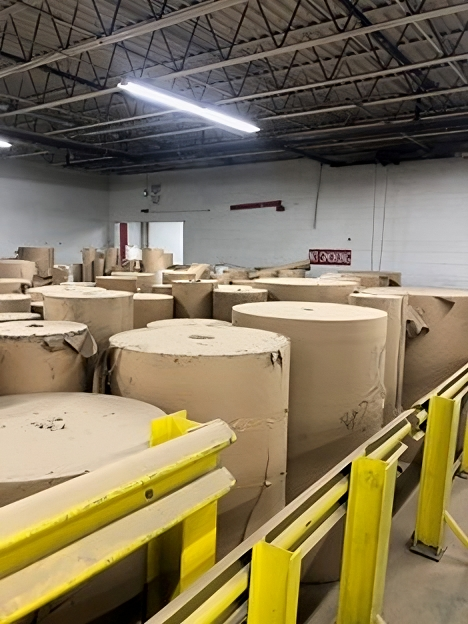
Transportation can be one of the most overlooked parts of commercial cardboard recycling. As OCC volume increases, the right service model can change. Smaller generators may benefit from scheduled bale-route pickups. Higher-volume facilities may be better suited for drop trailers or full-trailer service. Operations producing consistent truckload quantities may have opportunities to ship material more directly into mill markets.
But mill-direct doesn't automatically mean better. Bale density, trailer weights, freight distance, storage capacity and mill specifications all affect the economics. The best solution is the one that moves material with the least friction while preserving the greatest net value. For Ohio companies operating multiple facilities, this becomes even more important. Looking at recycling logistics across locations can reveal opportunities to consolidate transportation, standardize processes and compare performance from plant to plant.
A Waste Audit Can Find the Value Hiding in Your Cardboard Stream
One of the hardest things to evaluate is a recycling program that's been operating the same way for years. The pickups happen. The cardboard disappears. The invoices and recycling checks arrive. Everything appears to be working.
A professional Waste Audit looks underneath that routine. Mid America Paper Recycling evaluates factors such as material generation, separation practices, equipment, safety, program management, financial performance and logistics to identify opportunities for improvement.
The objective isn't simply to find more cardboard. It's to determine whether cardboard and other recyclable materials are being managed as efficiently and profitably as possible. That may uncover opportunities to improve bale quality, change pickup frequency, capture material currently entering the waste stream, improve trailer utilization, upgrade equipment or pursue a different downstream market. Even a mature recycling program can benefit from periodically asking whether the operating assumptions behind it still make sense.
Build a Better Commercial Cardboard Recycling Program in Ohio
Mid America Paper Recycling has worked with recovered paper since 1926, helping commercial and industrial businesses improve how recyclable materials are handled, transported and marketed. Today, we support businesses throughout
Ohio, including
Columbus,
Cleveland,
Cincinnati,
Dayton, Toledo, Akron and surrounding industrial communities.
Whether your operation generates a few bales each week or multiple truckloads of OCC, the starting point is the same: understand what you're generating, what it costs to manage and whether your current recycling program is capturing its full potential.
Your cardboard is already moving through your operation. The opportunity is to make sure it's creating as much value as possible along the way. Start with a free Mid America Paper Recycling
Waste Audit and take a closer look at what your Ohio cardboard recycling program could be worth.