Waste Audit Survey Question: What Your Company Throws Away

Our Waste Audit Survey found many operations throw recyclable material in their dumpsters when they could be getting revenue from recycling it instead.

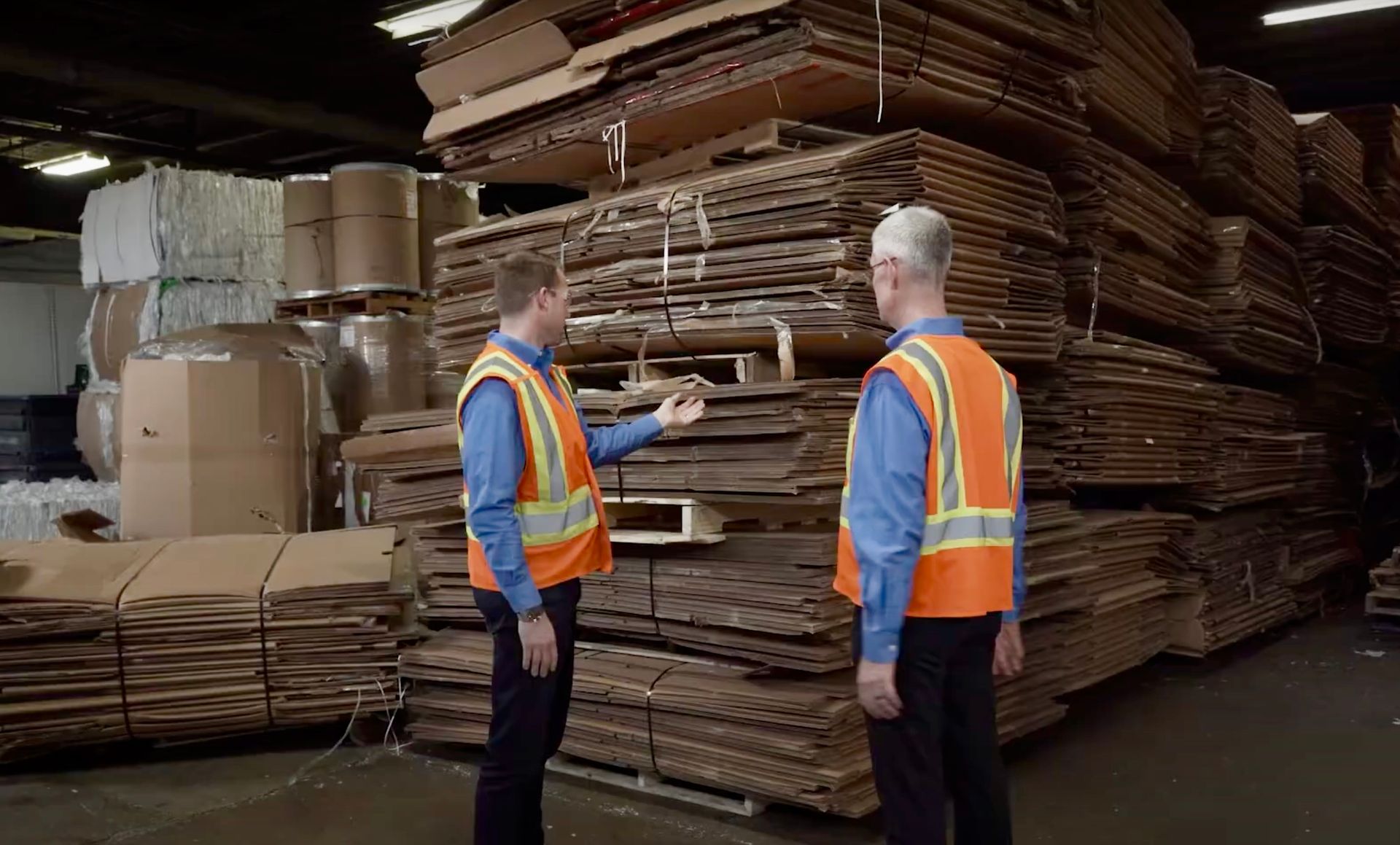
Responses to our recent Waste Audit Survey indicated that 17% of those surveyed have no equipment to help them recycle. One-third put all their trash in a dumpster, and regularly pay waste haulers to pick it up. These respondents may not have the information they need to recycle efficiently, or may not have a solid, goal-oriented recycling program. What’s more, a lot of businesses do not currently work with a recycler. But Mid America Paper Recycling can help them move forward to create a more sustainable business with a first-of-its-kind program that effectively benchmarks, monitors, and upgrades a company’s’ recycling operations continuously. “There are proper tools for the job,” explains Mid America Paper Recycling President Paul Pirkle. “Dumpsters, compactors, gaylords, tubs, balers, et al, are all equipment types used by companies in their recycling processes. Using these tools effectively is critical. The best practice is advising a company in those ways to best manage their generated waste so they can reduce their costs while increasing their revenues.” 

Q10: What materials are generally disposed of in your dumpster?
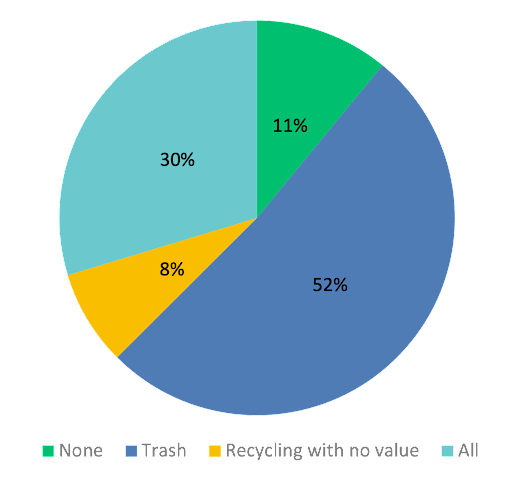
Mid America Paper Recycling’s recycling programs guide your employees on proper recycling techniques and encourage them to commit to sustainability. “The main purpose is to educate everyone in the company about the benefits of recycling and provide them with best practices to reduce their waste and increase its worth,” says Paul Pirkle President of Mid America Paper Recycling. “We collaborate closely with operators to help them identify where their waste is generated, establish key collection procedures, and set objectives that will continually improve their waste stream’s revenue contribution to the business.”


There’s value in paper waste

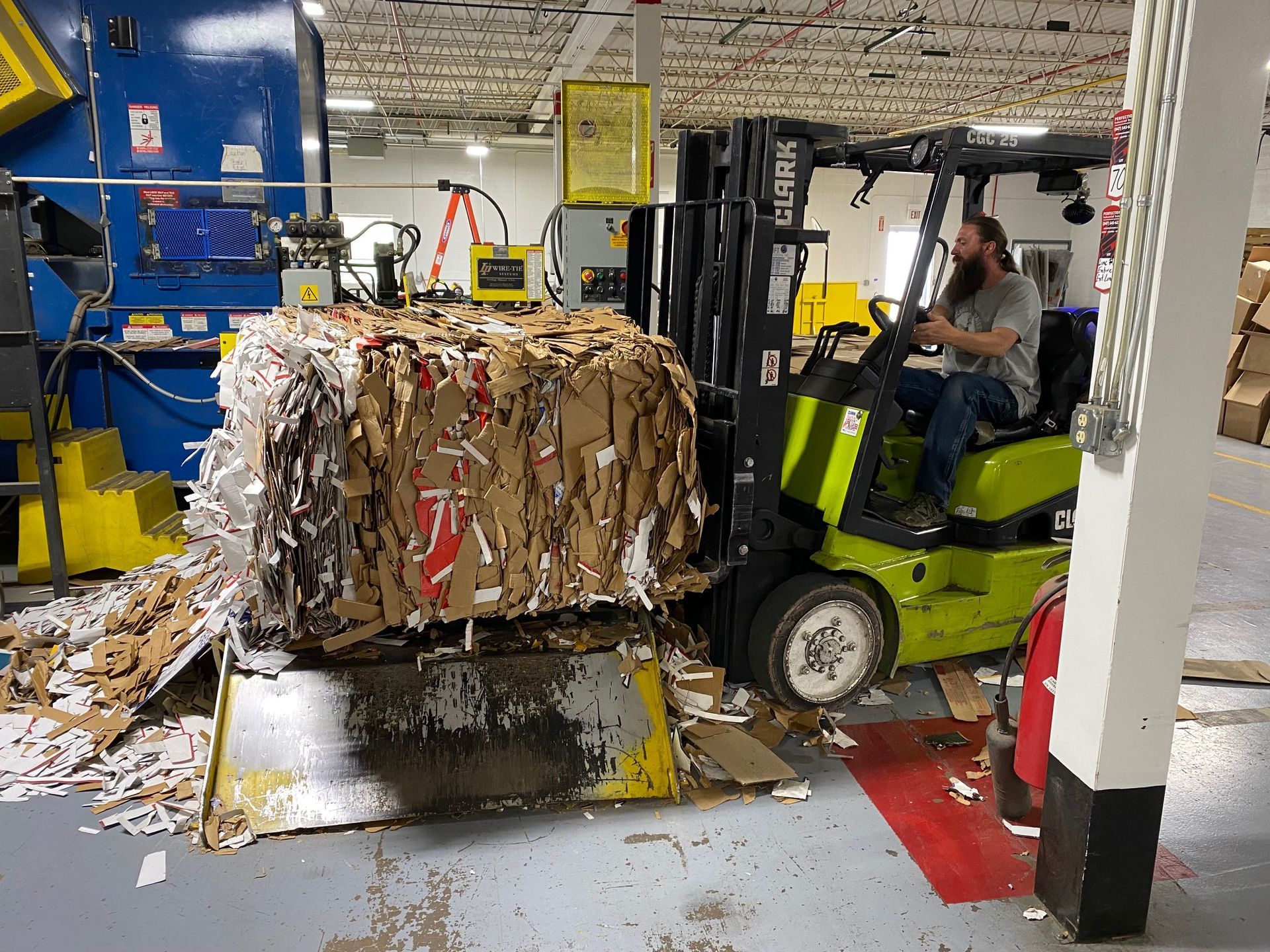
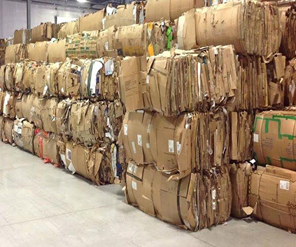
“Many of the materials thrown in a dumpster can be recycled,” Pirkle explains. “We can help these firms develop a company-wide recycling program that diverts valuable recyclables from the dumpster. This waste instead can be baled and recycled, which drives revenue, costs will decrease as the frequency of use of the dumpster decreases. Recycling reduces the indirect costs associated with dumpsters and turns waste into a product that has value.”


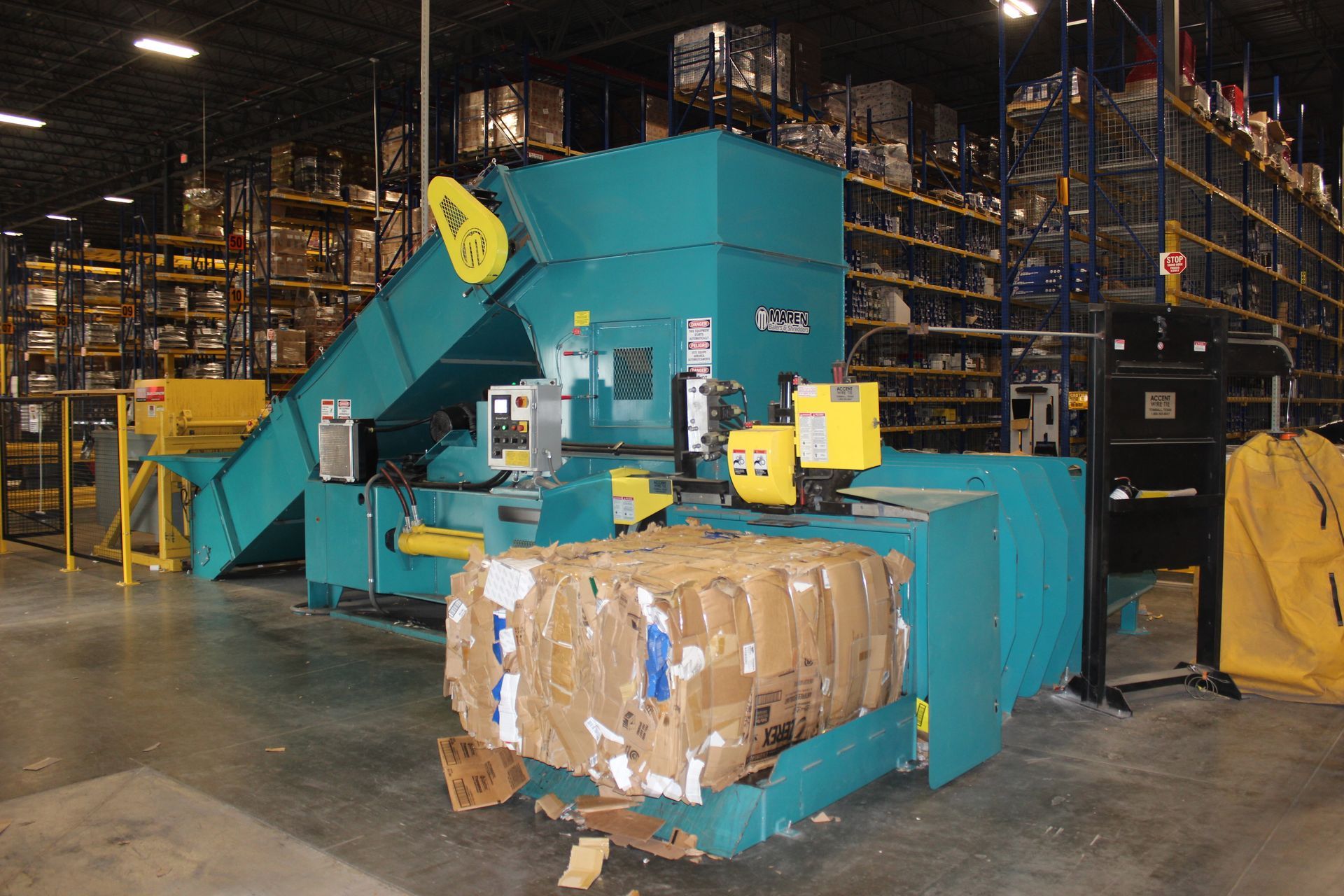
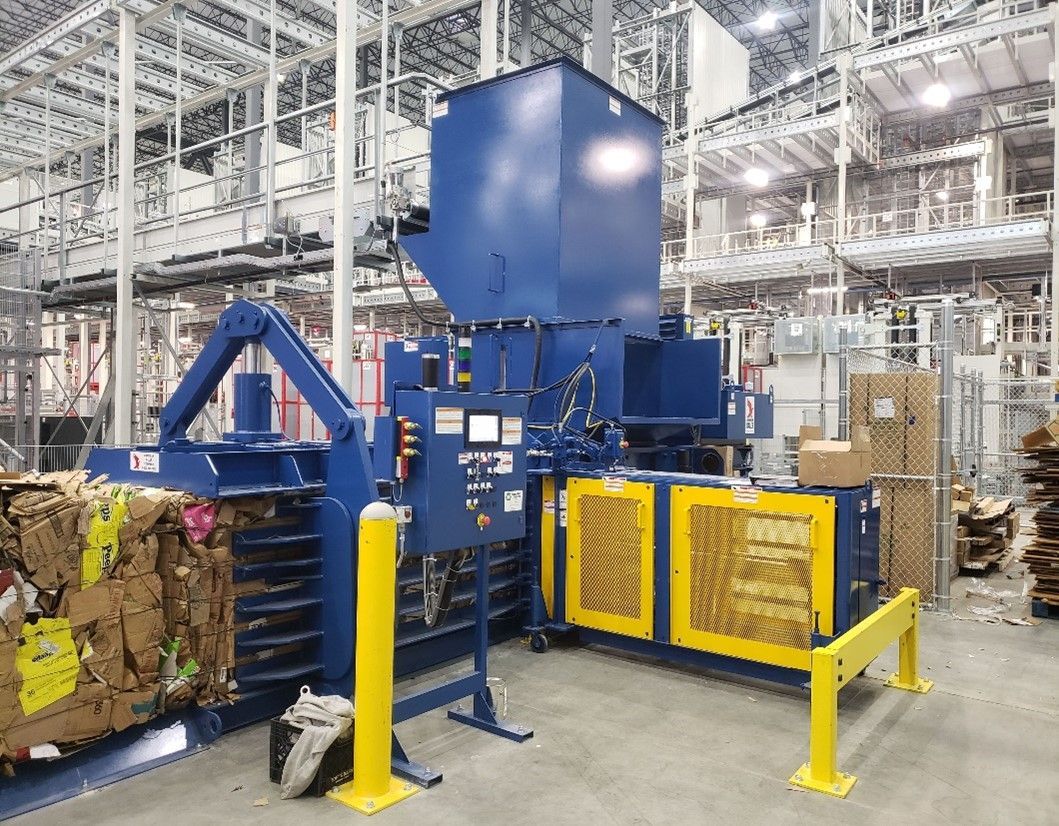
Independent companies across the country have many recycling service options available to them and may have only recently placed an emphasis on recycling, Pirkle points out. “We can turn their mindset toward recycling, where they learn good recycling habits that will help them grow for years. We can help them transform from a cost center to a profit center. We give them a sustainable process of sorting, organizing, and managing their paper waste. Using gaylords, totes, and the right baling equipment can also reduce labor, save space, and keep waste under control.”


Generating revenue

Pirkle points out that one manufacturing operation can generate hundreds of tons of industrial paper and plastic waste annually from their operation. “This waste can generate significant revenues for the company” he says.


“While most operations have no communication with their waste hauler, 22% of our Survey respondents say they’re not informed at all about when their recycler will make pickups. And 44% say they receive ‘average service ‘while only 14% say they receive ‘excellent’ service. We visit our clients regularly to see how they’re doing and continually suggest improvements that can be made to their operation,” Pirkle adds. “We not only report to the accounting departments to reconcile what has shipped, but we report through our business intelligence platform to work with our customers’ operations team so that we can directly impact the manner in which they work. This process encourages relationship building and allows our customers to benefit from our 96-year history through continual education. This process ensures they take all the proper steps to recycle their waste effectively and economically. Our Audit Process can help these operations realize significant revenues.”


Small to large companies can streamline their waste recycling methods, reduce labor, time, and expenses with help from Mid America Paper Recycling. “No company is too small or too large to have a sophisticated recycling program,” Pirkle explains.


“We provide them with a score and a taxonomy [classification] level of their recycling effectiveness. We then let them know what they’re doing well and how they can improve,” Pirkle mentions. “They learn the capabilities of baling machinery and how to maximize its efficiency, while we arrange for their baled waste to go directly to a paper mill. These improvements streamline their recycling process, so they reduce the number of dumpsters pickups, while reducing their indirect costs and hopefully provide a new revenue stream.” 
Focusing on continuous improvement

Businesses that take the Waste Audit and partner with Mid America Paper Recycling will benefit from the increased education of how they can better manage their waste generation within their facility. This can improve their recycling processes and uncover new revenue streams by getting a solid handle on recycling.


Request a free, quick Waste Audit Survey today—visit https://www.surveymonkey.com/r/MAPRAudit.
 

Commercial cardboard recycling in Columbus, OH
By Mid America Paper Recycling December 4, 2025
Learn how to strengthen your OCC and mixed paper recycling program to boost revenue, reduce volatility, and create more stable returns in shifting markets.
By Mid America Paper November 12, 2025
Learn how Georgia paper mill closures impact recycling operations and discover steps your business can take to stay efficient and profitable.
By Mid America Paper Recycling October 14, 2025
FV Recycling has acquired Mid America Paper Recycling, expanding into the Midwest and creating a stronger, nationwide recycling partner for customers.
By Mid America Paper Recycling September 16, 2025
Mid America Paper Recycling shows how smarter logistics turns recycling into profit. Learn why cost avoidance beats cost reduction in today’s market.
We get the most out of your recyclables at Mid America Paper recycling
August 7, 2025
Mid America Paper Recycling brings nearly 100 years of experience to every site we serve. We’ve grown by helping companies like yours get more out of their operations.
May 10, 2025
When the Mill Shuts Down: What Happens to All That Recycled Corrugated?
A large pile of plastic is sitting on the ground in a parking lot.
By Admin April 29, 2025
Rethinking the Future of Plastic Packaging: A Recycling Challenge We’re Tackling Head-On
A graph showing key recycling caps from survey of 142 businesses
By Admin April 3, 2025
What 142 Businesses Taught Us About Recycling Practices in 2025
February 17, 2025
Driving Value, Innovation, and Sustainability: Meet Brian Gaughan, Mid America Paper Recycling’s Business Development Leader
February 2, 2025
For printing and packaging firms, floor space is a critical resource directly tied to productivity, safety, and profitability. Operating under typically tight profit margins, these companies cannot afford inefficiencies that hinder operations or add unnecessary costs. Yet, in many facilities, valuable floor space is wasted on scrap and trim waste from the paperboard manufacturing and converting process. Gaylords of loose material waiting to be processed and bales awaiting pickup can create bottlenecks, disrupt workflows, and eat into already slim margins. At Mid America Paper Recycling, we provide timely solutions to help manufacturers reclaim their floor space and protect their bottom line. Here’s how: The Hidden Costs of Wasted Floor Space Inefficient use of floor space doesn’t just limit operational effectiveness—it carries significant financial and operational consequences. Here’s what’s at stake: High Real Estate Costs : Manufacturing and warehouse space is expensive. According to Prologis, the annual cost for warehouse space averages $13.20 per square foot , including base rent and operating expenses. A facility dedicating 1,000 square feet to waste storage could incur $13,200 annually in avoidable costs. Safety Risks and Workplace Injuries : Cluttered floors with bins of loose material and stacked bales create hazards that increase the risk of workplace injuries. The National Safety Council reports that the average cost of a medically consulted workplace injury exceeds $40,000 , factoring in productivity losses, medical bills, and administrative expenses. Missed Revenue Opportunities : Every square foot dedicated to waste is a square foot unavailable for revenue-generating activities. For example, a production machine occupying 1,000 square feet could generate $100,000 to $500,000 annually in additional revenue. Increased Labor Costs : Managing waste on the plant floor is time-consuming. Employees spend hours moving, organizing, and handling waste instead of focusing on higher-value tasks. At an average wage of $20 per hour , one additional hour spent daily on waste management can cost a company $5,000 annually per employee . How Mid America Paper Recycling Reclaims Space Reclaiming floor space starts with understanding a facility’s unique challenges. Through our waste audit services , we identify inefficiencies in waste management handling practices in your plant facilities and provide customized solutions to optimize space utilization. Trailer Spotting: A Game-Changer for Floor Space One of the most effective strategies we offer printers and board converters is trailer spotting. Instead of storing waste on the plant floor, a dedicated trailer is stationed on-site to accumulate scrap and trim waste, and then rotated back to our recycling facility for materials processing. Maximizes Plant Space : By removing bales and scrap from the floor at key intervals, plants can free up hundreds or even thousands of square feet for production or finished goods storage. Improves Safety : Clear, clutter-free floors reduce the risk of accidents and ensure smoother workflows. Cuts Handling Costs : Employees spend less time managing waste, which translates to significant labor savings. Streamlines Operations : Trailers simplify the waste management process, ensuring efficient material handling and faster pickups. Faster Financial Return on Recyclables : By consolidating and efficiently managing scrap materials in a trailer, recyclables can be transported directly to mills more frequently. This reduces delays, accelerates payments, and ensures more consistent cash flow tied to a recycling program. For example, one large printing client reduced their reliance on floor space for bales by 50% , enabling them to install additional equipment and increase production capacity. Execution in Action At Mid America Paper Recycling, we deliver results through precise execution of recycling programs. Our Chicago-based facility processes 51 different paper grades using advanced baling systems and a fleet of 125 trailers in our logistics network. By leveraging our infrastructure and consulting expertise, we help customers reclaim floor space, reduce costs, and maximize profitability year after year. Partner with Mid America to Reclaim Your Space  For any packaging manufacturer, the value of floor space cannot be overstated. Don’t let waste take up space that could be driving your business forward. Let Mid America Paper Recycling help you optimize your operations, starting with a free waste audit to discover how we can help you unlock the hidden value in your facility.